Last updated:
Education
ed·u·ca·tion | \ ˌe-jə-ˈkā-shən \
E is the easiest letter to decide on in our parenting alphabet.
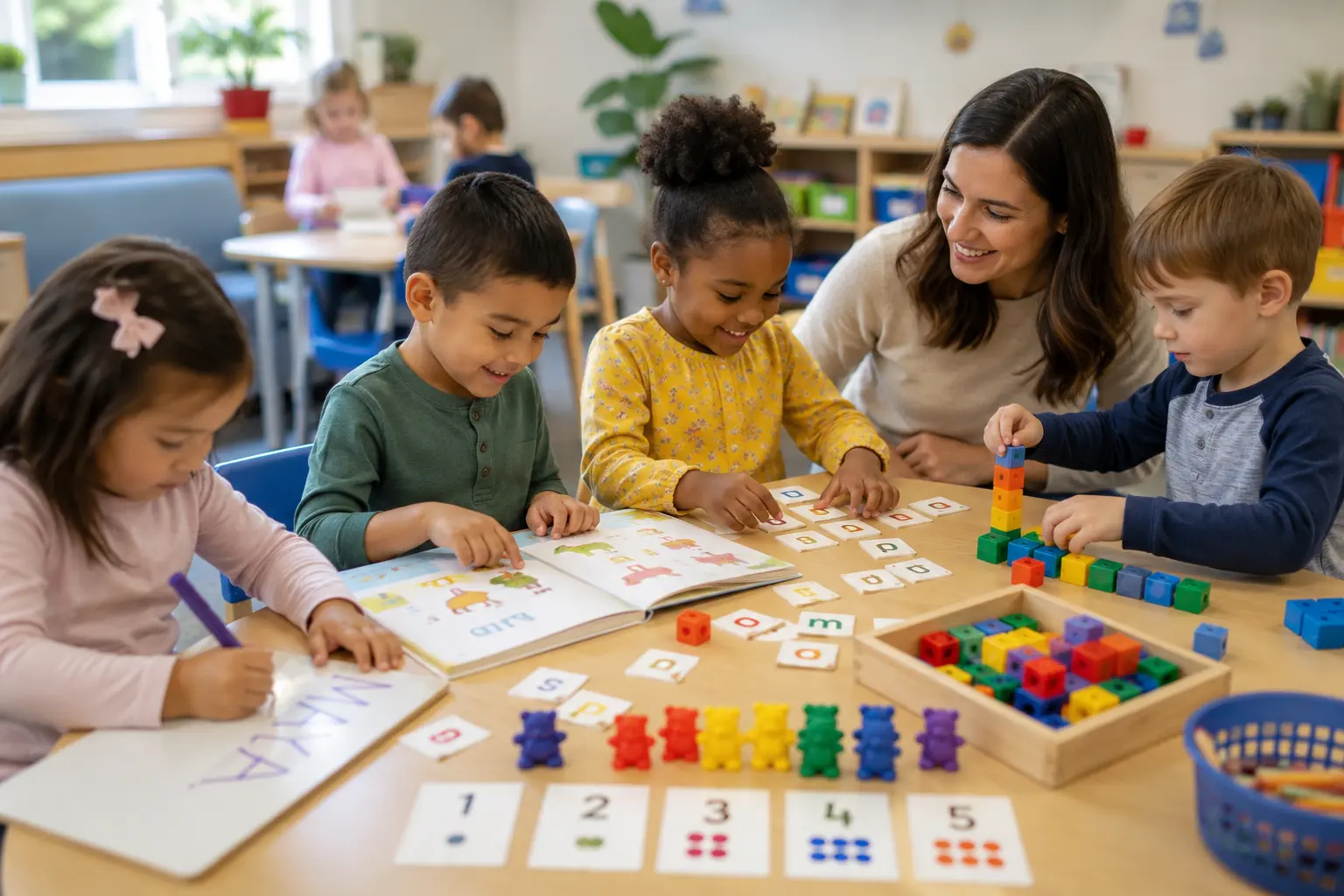
However, the more difficult part is understanding that I am referring to many aspects of education here. On the surface, preschool, elementary school, and so forth offer a child only the rudimentary components of education. They learn to speak, to read, to write, to add, and to multiply, but these skills are void of any meaning until the family and cultural component of education is dovetailed with it.
It is the family’s cultural impact and values that add rich texture to the two-dimensional world of education.
There are countless aspects that a teacher could never provide in a traditional education setting. These other variables, provided by the home place, guide the child as to what should be read and what language should be used. Most importantly they modify the choices for which parts of the day and lessons should be internalized by the students. At an early age does the child focus on reading? What types of books do they lean towards? Perhaps they’re only fond of the sports activities at school or they highlight the arts. Kids will gravitate towards things in the educational world based on their experiences at home. Parents are always the first teachers.
Parents are the first and most important educators in a child’s life as they put all of education in context.
Parents choose the types of clothes in a child’s first wardrobe, the foods, the holiday customs, and observances and even model how to treat others. Every scowl and bitter resentment towards another forges a child who will learn bitterness. Running home to not miss a TV show or cutting off a child mid-sentence to answer the phone shows a child what is considered to be most important.
You may have noticed many of these actions made by parents would not be conscious decisions to impact their children’s education. I mean it would be silly to consider how your child’s next meal will affect their learning. This is not supposed to be a warning for parents to start overanalyzing every conscious decision they make for their child. It’s supposed to act as a reminder of your potential for impact. Instead of an unrealistic goal of consciously controlling every action, just be aware of the way you carry yourself.
Be aware of the way you live your life and carry yourself. For example, every time a parent savors a new food it can show a child to be adventurous. Remind yourself of your attitude and the way that you carry yourself rather than trying to guess every correct choice and how it will affect your child. Remind yourself of broader topics, such as love, patience, and responsibility. Showing a child love for oneself, for others, and for the planet educates a child to be a loving human.
Tamar Andrews, EdD, is an Associate Professor at UCLA's Graduate School of Education and Information Studies and Director of the Early Childhood Education Department at American Jewish University. With 30+ years in early childhood as a teacher and director, she led Temple Isaiah Preschool from 2003 to 2023, where she earned NAEYC accreditation and built an award-winning STEM program. Her work inspired her son Daniel to build Playground. She also teaches at UCLA Extension and Santa Monica College and speaks internationally on early childhood education.
Share this article