25 Fun and Interactive Fall-Themed Activities for Preschoolers and Toddlers
25 Fun and Interactive Fall-Themed Activities for Preschoolers and Toddlers
25 Fun and Interactive Fall-Themed Activities for Preschoolers and Toddlers

As the weather cools and days grow shorter, fall-themed activities give preschoolers and toddlers hands-on ways to learn about the season. Nature walks, simple crafts, and sensory play fit naturally into child care lesson plans from September through November.
If you are looking for inspiration for your preschool or daycare classroom, themes built around apples, pumpkins, and leaves offer creative, interactive ideas that work indoors and outdoors. Most use low-cost materials and can be adapted for different ages.
Below are 25 fall preschool activities grouped by nature, arts and crafts, and food and sensory play, plus tips on safety, allergies, and planning your week.
Want to share your fall creations through picture updates to families, all in the same app you use for billing, payroll, scheduling, and enrollment? Book a free demo with Playground to learn more.
Before you plan your fall themes
Ages and abilities. Toddlers can tear paper, stamp, scoop, and glue pre-cut shapes. Preschoolers can cut with child-safe scissors, sort collections, and follow short multi-step crafts.
Materials and budget. Construction paper, paper plates, glue, and collected leaves go a long way. Ask families to donate clean recyclables and natural materials.
Allergies and food policies. Review enrollment records before any tasting, cooking, or sensory bin that might include food. Prefer allergen-aware fillers such as plain popcorn kernels over nuts.
Outdoor safety. Check leaf piles and walking paths, dress for the weather, and keep adult ratios clear when you leave the building.
Inclusion. Not every family celebrates Halloween. Keep a strong set of non-holiday fall themes — leaves, apples, pumpkins, harvest — and share your plans early.
25 diverse fall-themed preschool activities
Preschool fall activities based on nature
Fall themes often start with nature. Leaves change color, fruits ripen, and animals prepare for cooler weather. Those visible changes give young children plenty to notice, ask about, and explore.
Use nature’s colors and textures as a learning experience with these preschool fall activities based on nature.
Cut open a pumpkin and let children dig around in it with their hands, or with spoons and cups. This is a rich sensory experience and a natural way to talk about seeds and plant parts.
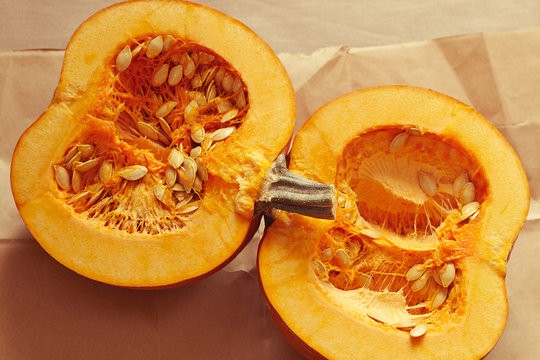
Tip: Scooping pumpkin pulp is wonderful sensory play. Provide spoons and cups, watch for slippery floors, and wash hands thoroughly afterward.
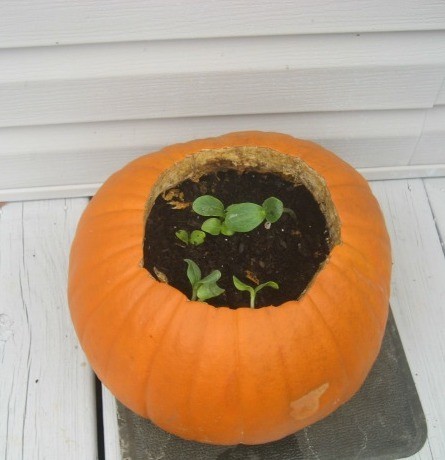
Fill a pumpkin with soil, water it, and see what grows. Children can observe changes over days and practice caring for a plant.
Try pumpkin seed counting, seed painting, and seed sorting. You can also use decorated seeds to spell out children’s names for a literacy tie-in.
Rake and jump into a pile of leaves. Keep the pile away from roads and check the area for sticks, trash, or insects before children jump.
Go on a nature walk and collect leaves, pinecones, and acorns. Sort leaves by color, size, or shape when you return.
Collect leaves, pine cones, acorns, and similar finds for loose parts, art projects, or a classroom nature table.
Make a homemade bird feeder and watch which birds come to visit. Talk about what birds eat and how seasons affect wildlife.
Dissect a sunflower. Use tweezers to pluck petals and let children pull apart the seeds with their fingers to learn about the parts of a plant.
Observe a pumpkin over time as it breaks down outdoors, as a simple science study of change. Keep rotting materials outside or sealed, and skip this if mold would bother children or staff with allergies or asthma.
Tip: For outdoor leaf piles and nature walks, check the area for trash, sharp sticks, and ticks where relevant, and confirm outdoor allergy plans. Keep rotting pumpkin studies outdoors or sealed, and wash hands after handling soil, seeds, and plant materials. Seeds and small natural items are choking hazards for children under three.
Arts and crafts fall themes for preschool children
You do not have to stay outdoors all season. These arts and crafts fall activities bring autumn colors and textures into the classroom with simple, low-cost materials.
Glitter pinecones — festive for fall and winter. Check out this list of 12 painted pinecone craft ideas
Tip: Glitter is messy and hard to clean from carpet and eyes. Use paint, markers, or washable glitter glue, and keep small decorations away from children who still mouth objects.
Make an autumn wreath out of construction paper. All you need is construction paper in autumn colors, scissors, colored pencils or pens, and glue.
Tip: Toddlers can tear paper leaves and glue pre-cut shapes. Skip glitter on this project if cleanup is a concern.

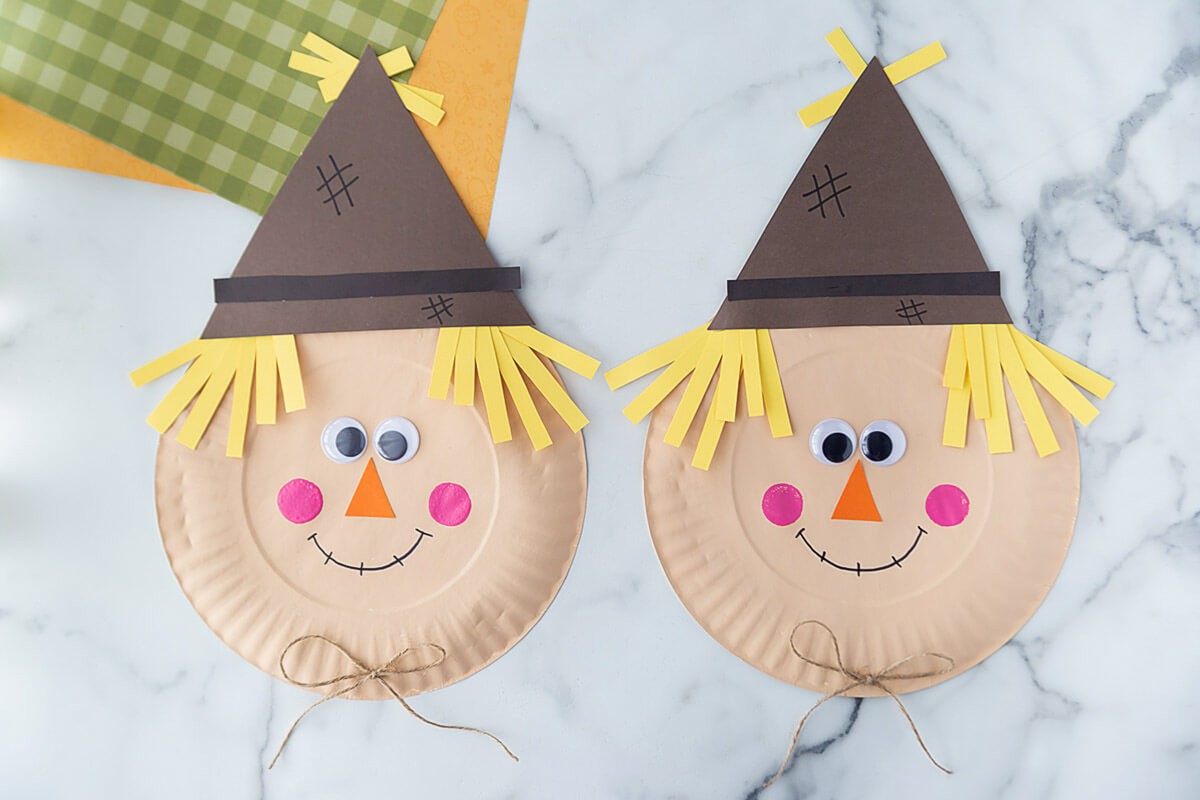
Paper Plate Scarecrow craft is fun for a fall bulletin board or an optional Halloween display.
Tip: Pre-cut shapes for toddlers. If your program limits Halloween imagery, frame this as a farm or harvest scarecrow instead.
Decorate pumpkins with paint, glitter, and sequins. For toddlers, use large pieces and washable paint, and skip small sequins that can be a choking hazard.
Apple stamping — cut an apple in half and let children dip it in paint and stamp it on paper. Stab a fork in the back for easier gripping and less mess.
Create a fall leaf collage using small acorns, leaves, and sticks and gluing them on autumn colored cardstock paper
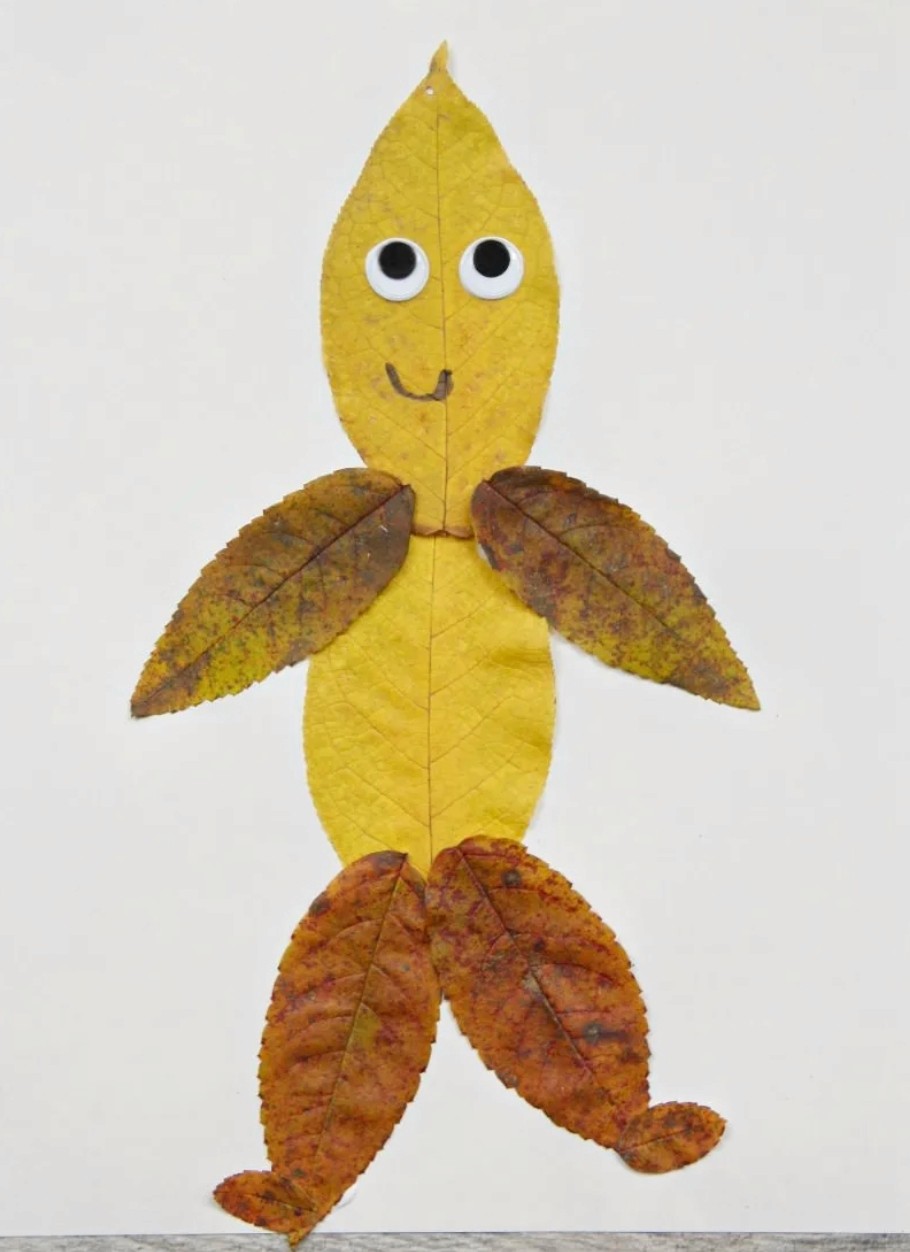
Leaf people! Take preschoolers outside to collect leaves of different shapes and sizes, then create a colony of leaf characters.
Tip: Check leaves for insects before bringing them inside, and wash hands after outdoor collecting.
This paper plate sun-catcher craft is simple and beautiful decoration for classroom windows
Tip: Adults should handle scissors and contact paper edges. Hang finished sun catchers out of children’s reach if string is used.

Leaf Rubbings can help children explore leaves of different shapes, colors, and textures.
Tip: Pre-cut paper or tape leaves under the paper for toddlers. Older preschoolers can hold the crayon on their own and compare leaf shapes.

Make a homemade wind chime out of sticks, pony beads, pipe cleaners, and jingle bells
Tip: Pony beads and jingle bells can be choking hazards for children under three. Use larger beads, skip bells for toddlers, or have adults assemble the chime while children decorate the sticks.

Fall food activities for preschoolers
Food is part of nature too, and fall brings apples, pumpkins, corn, and cranberries into many classrooms. These food and sensory activities work well when you check allergies first and follow your program’s food policies.
Tip: Before any food or sensory activity, review allergy and dietary records, wash hands, and offer a non-food alternative. Do not call playdough or craft materials a snack unless your program’s recipe and policies clearly allow it.
Corn and Popcorn Science Experiment is a great sensory activity and a way to show how kernels turn into popcorn.
Pumpkin Spice Playdough is fun to mold and explore. Even when a recipe is labeled taste-safe, treat it as a sensory material, not a snack, and check for wheat, gluten, or spice allergies before you start.
This Dancing Cranberries Experiment only requires a clear cup, dried cranberries, and lemon-lime soda. Children enjoy watching the bubbles and the cranberries float up and down.
Check out this roasted pumpkin seed recipe that children will enjoy helping with. Confirm seed and spice allergies first, and skip tasting for children who cannot have them.
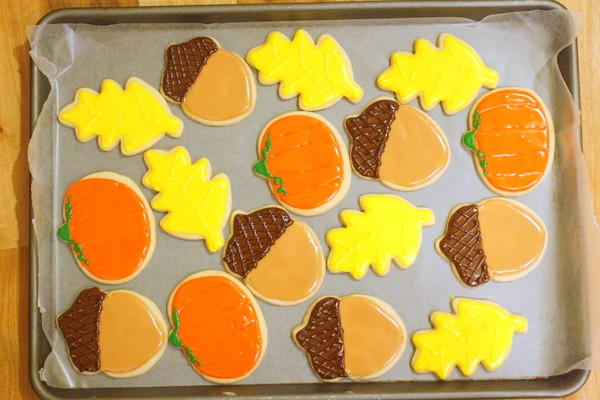
Decorate fall-themed sugar cookies. Confirm allergies and dietary needs first, and offer a non-food craft alternative for children who cannot take part.
Why Do Apples Turn brown? Science Experiment is a simple way to introduce the scientific method and critical thinking with a fruit that is in season.
Make a fall sensory bin so children can explore textures, sounds, smells, and colors. Fill a container with popcorn kernels and fall items such as acorns, small branches, and cinnamon sticks. Skip tree nuts and other common allergens, and supervise closely so kernels and small pieces stay out of mouths.
How to use these themes week by week
You do not need to use all 25 ideas at once. Spread themes across the season so children have time to explore, revisit, and build on what they learn.
September. Focus on leaves, apples, and nature walks as the weather is still mild. Pair with early literacy and sorting activities.
October. Lean into pumpkins, harvest, and optional Halloween crafts. Keep non-holiday fall options available for families who do not celebrate. See our October preschool themes and lesson plans for more pacing ideas.
November. Shift toward gratitude, harvest foods, and indoor crafts as weather cools. Our November preschool lesson plan ideas can help you plan the month.
Family engagement ideas
Fall themes are an easy way to connect with families. Share photos of finished crafts when you have permission, invite families to donate leaves, pinecones, or recycled materials, and send home a short note about what children are learning. Ask families about fall traditions they celebrate so your calendar can welcome everyone.
Send a weekly theme preview in the languages your families speak.
Invite families to contribute natural materials or join a short outdoor walk.
Offer take-home versions of simple crafts, such as leaf rubbings or paper pumpkins.
Make Halloween-specific activities optional and share alternatives in advance.
Key takeaways
Start with the season. Leaves, apples, pumpkins, and changing weather give children real things to observe and talk about.
Match the activity to the age group. Toddlers need larger materials and more adult help; preschoolers can cut, sort, and follow multi-step crafts.
Plan for allergies and small parts. Check enrollment records before food or sensory play, and keep glitter, beads, and nuts away from children under three.
Welcome every family. Offer fall themes that are not tied only to Halloween, and communicate plans early.
Link themes to your curriculum. Counting seeds, sorting leaves, and simple experiments support math, science, and language goals.
More fall and seasonal reading for your classroom
As the weather cools and days grow shorter, fall-themed activities give preschoolers and toddlers hands-on ways to learn about the season. Nature walks, simple crafts, and sensory play fit naturally into child care lesson plans from September through November.
If you are looking for inspiration for your preschool or daycare classroom, themes built around apples, pumpkins, and leaves offer creative, interactive ideas that work indoors and outdoors. Most use low-cost materials and can be adapted for different ages.
Below are 25 fall preschool activities grouped by nature, arts and crafts, and food and sensory play, plus tips on safety, allergies, and planning your week.
Want to share your fall creations through picture updates to families, all in the same app you use for billing, payroll, scheduling, and enrollment? Book a free demo with Playground to learn more.
Before you plan your fall themes
Ages and abilities. Toddlers can tear paper, stamp, scoop, and glue pre-cut shapes. Preschoolers can cut with child-safe scissors, sort collections, and follow short multi-step crafts.
Materials and budget. Construction paper, paper plates, glue, and collected leaves go a long way. Ask families to donate clean recyclables and natural materials.
Allergies and food policies. Review enrollment records before any tasting, cooking, or sensory bin that might include food. Prefer allergen-aware fillers such as plain popcorn kernels over nuts.
Outdoor safety. Check leaf piles and walking paths, dress for the weather, and keep adult ratios clear when you leave the building.
Inclusion. Not every family celebrates Halloween. Keep a strong set of non-holiday fall themes — leaves, apples, pumpkins, harvest — and share your plans early.
25 diverse fall-themed preschool activities
Preschool fall activities based on nature
Fall themes often start with nature. Leaves change color, fruits ripen, and animals prepare for cooler weather. Those visible changes give young children plenty to notice, ask about, and explore.
Use nature’s colors and textures as a learning experience with these preschool fall activities based on nature.
Cut open a pumpkin and let children dig around in it with their hands, or with spoons and cups. This is a rich sensory experience and a natural way to talk about seeds and plant parts.
Tip: Scooping pumpkin pulp is wonderful sensory play. Provide spoons and cups, watch for slippery floors, and wash hands thoroughly afterward.
Fill a pumpkin with soil, water it, and see what grows. Children can observe changes over days and practice caring for a plant.
Try pumpkin seed counting, seed painting, and seed sorting. You can also use decorated seeds to spell out children’s names for a literacy tie-in.
Rake and jump into a pile of leaves. Keep the pile away from roads and check the area for sticks, trash, or insects before children jump.
Go on a nature walk and collect leaves, pinecones, and acorns. Sort leaves by color, size, or shape when you return.
Collect leaves, pine cones, acorns, and similar finds for loose parts, art projects, or a classroom nature table.
Make a homemade bird feeder and watch which birds come to visit. Talk about what birds eat and how seasons affect wildlife.
Dissect a sunflower. Use tweezers to pluck petals and let children pull apart the seeds with their fingers to learn about the parts of a plant.
Observe a pumpkin over time as it breaks down outdoors, as a simple science study of change. Keep rotting materials outside or sealed, and skip this if mold would bother children or staff with allergies or asthma.
Tip: For outdoor leaf piles and nature walks, check the area for trash, sharp sticks, and ticks where relevant, and confirm outdoor allergy plans. Keep rotting pumpkin studies outdoors or sealed, and wash hands after handling soil, seeds, and plant materials. Seeds and small natural items are choking hazards for children under three.
Arts and crafts fall themes for preschool children
You do not have to stay outdoors all season. These arts and crafts fall activities bring autumn colors and textures into the classroom with simple, low-cost materials.
Glitter pinecones — festive for fall and winter. Check out this list of 12 painted pinecone craft ideas
Tip: Glitter is messy and hard to clean from carpet and eyes. Use paint, markers, or washable glitter glue, and keep small decorations away from children who still mouth objects.
Make an autumn wreath out of construction paper. All you need is construction paper in autumn colors, scissors, colored pencils or pens, and glue.
Tip: Toddlers can tear paper leaves and glue pre-cut shapes. Skip glitter on this project if cleanup is a concern.
Paper Plate Scarecrow craft is fun for a fall bulletin board or an optional Halloween display.
Tip: Pre-cut shapes for toddlers. If your program limits Halloween imagery, frame this as a farm or harvest scarecrow instead.
Decorate pumpkins with paint, glitter, and sequins. For toddlers, use large pieces and washable paint, and skip small sequins that can be a choking hazard.
Apple stamping — cut an apple in half and let children dip it in paint and stamp it on paper. Stab a fork in the back for easier gripping and less mess.
Create a fall leaf collage using small acorns, leaves, and sticks and gluing them on autumn colored cardstock paper
Leaf people! Take preschoolers outside to collect leaves of different shapes and sizes, then create a colony of leaf characters.
Tip: Check leaves for insects before bringing them inside, and wash hands after outdoor collecting.
This paper plate sun-catcher craft is simple and beautiful decoration for classroom windows
Tip: Adults should handle scissors and contact paper edges. Hang finished sun catchers out of children’s reach if string is used.
Leaf Rubbings can help children explore leaves of different shapes, colors, and textures.
Tip: Pre-cut paper or tape leaves under the paper for toddlers. Older preschoolers can hold the crayon on their own and compare leaf shapes.
Make a homemade wind chime out of sticks, pony beads, pipe cleaners, and jingle bells
Tip: Pony beads and jingle bells can be choking hazards for children under three. Use larger beads, skip bells for toddlers, or have adults assemble the chime while children decorate the sticks.
Fall food activities for preschoolers
Food is part of nature too, and fall brings apples, pumpkins, corn, and cranberries into many classrooms. These food and sensory activities work well when you check allergies first and follow your program’s food policies.
Tip: Before any food or sensory activity, review allergy and dietary records, wash hands, and offer a non-food alternative. Do not call playdough or craft materials a snack unless your program’s recipe and policies clearly allow it.
Corn and Popcorn Science Experiment is a great sensory activity and a way to show how kernels turn into popcorn.
Pumpkin Spice Playdough is fun to mold and explore. Even when a recipe is labeled taste-safe, treat it as a sensory material, not a snack, and check for wheat, gluten, or spice allergies before you start.
This Dancing Cranberries Experiment only requires a clear cup, dried cranberries, and lemon-lime soda. Children enjoy watching the bubbles and the cranberries float up and down.
Check out this roasted pumpkin seed recipe that children will enjoy helping with. Confirm seed and spice allergies first, and skip tasting for children who cannot have them.
Decorate fall-themed sugar cookies. Confirm allergies and dietary needs first, and offer a non-food craft alternative for children who cannot take part.
Why Do Apples Turn brown? Science Experiment is a simple way to introduce the scientific method and critical thinking with a fruit that is in season.
Make a fall sensory bin so children can explore textures, sounds, smells, and colors. Fill a container with popcorn kernels and fall items such as acorns, small branches, and cinnamon sticks. Skip tree nuts and other common allergens, and supervise closely so kernels and small pieces stay out of mouths.
How to use these themes week by week
You do not need to use all 25 ideas at once. Spread themes across the season so children have time to explore, revisit, and build on what they learn.
September. Focus on leaves, apples, and nature walks as the weather is still mild. Pair with early literacy and sorting activities.
October. Lean into pumpkins, harvest, and optional Halloween crafts. Keep non-holiday fall options available for families who do not celebrate. See our October preschool themes and lesson plans for more pacing ideas.
November. Shift toward gratitude, harvest foods, and indoor crafts as weather cools. Our November preschool lesson plan ideas can help you plan the month.
Family engagement ideas
Fall themes are an easy way to connect with families. Share photos of finished crafts when you have permission, invite families to donate leaves, pinecones, or recycled materials, and send home a short note about what children are learning. Ask families about fall traditions they celebrate so your calendar can welcome everyone.
Send a weekly theme preview in the languages your families speak.
Invite families to contribute natural materials or join a short outdoor walk.
Offer take-home versions of simple crafts, such as leaf rubbings or paper pumpkins.
Make Halloween-specific activities optional and share alternatives in advance.
Key takeaways
Start with the season. Leaves, apples, pumpkins, and changing weather give children real things to observe and talk about.
Match the activity to the age group. Toddlers need larger materials and more adult help; preschoolers can cut, sort, and follow multi-step crafts.
Plan for allergies and small parts. Check enrollment records before food or sensory play, and keep glitter, beads, and nuts away from children under three.
Welcome every family. Offer fall themes that are not tied only to Halloween, and communicate plans early.
Link themes to your curriculum. Counting seeds, sorting leaves, and simple experiments support math, science, and language goals.
More fall and seasonal reading for your classroom
Beny Mizrachi leads marketing at Playground from New York, where he runs go-to-market across content, paid and organic social, email, referrals, and strategic partnerships. He authors content on the Playground blog — including the comprehensive guide to creating a preschool marketing plan — and is dedicated to making it easier for child care operators to attract families, improve enrollment, and stand out in competitive markets.
Share this article
The highest rated child care software
Ratings and review counts from public app store listings, May 2026.

Book a demo and simplify every corner of your business.




Book a demo and simplify every corner of your business.