6 Día de los Muertos Child Care Activity Ideas
6 Día de los Muertos Child Care Activity Ideas
6 Día de los Muertos Child Care Activity Ideas

Día de los Muertos, also known as Day of the Dead, is a Mexican holiday that honors the lives of loved ones who have passed away. It is traditionally observed on November 1 and 2.
Celebrated in Mexico and in several other Latin American countries, this joyful tradition is a meaningful way to bring Latino culture into your program and support inclusion. It is also an opportunity to remember and honor the people we love.
If you are looking for Día de los Muertos activities for preschool or child care, this post shares six hands-on ideas, along with tips on materials, age groups, safety, and working with families. Traditions vary from family to family and region to region, so treat these ideas as a starting point and learn from the families in your community.
Looking for more ideas? Book a demo with Playground to learn more about state-aligned activities and curriculum via a partnership with Highlights.
Before You Begin: Teaching Día de los Muertos with Respect
Día de los Muertos is a living tradition that is meaningful to many families, so a little preparation goes a long way. For more on building cultural inclusion throughout the year, read our guide to weaving Latino heritage into early learning.
Invite, do not assume. Ask Latino families and staff whether they would like to share traditions, and let them guide what you include.
Keep it separate from Halloween. Día de los Muertos is its own tradition focused on remembering loved ones, so avoid mixing it with Halloween decorations or themes.
Treat skulls and skeletons with care. They are colorful, festive symbols in this holiday. Present them as part of the celebration rather than as something scary or silly.
Be gentle and honest about loss. Keep explanations short and calm, and check in with families first, since some children may have experienced a recent loss.
Respect different beliefs. Not every family celebrates, so offer an alternative activity and share your plans in advance.
Planning Tips for Directors and Teachers
Ages and abilities. Toddlers can tear paper, press stickers, and glue pre-cut shapes. Preschoolers can cut with child-safe scissors, paint, and share a memory. The sugar skull and mask activities need the most adult help.
Materials and budget. Most of these ideas use paper plates, construction paper, markers, glue, and ribbon. Ask families to donate scrap paper, and save finished decorations to reuse next year.
Safety. Skip real candles, supervise small items such as rice, and check for food allergies before any activity that involves sweets.
Pacing. Spread the activities over a week so children have time to build the altar, add to it, and talk about it together.
Classroom Altar (Ofrenda)
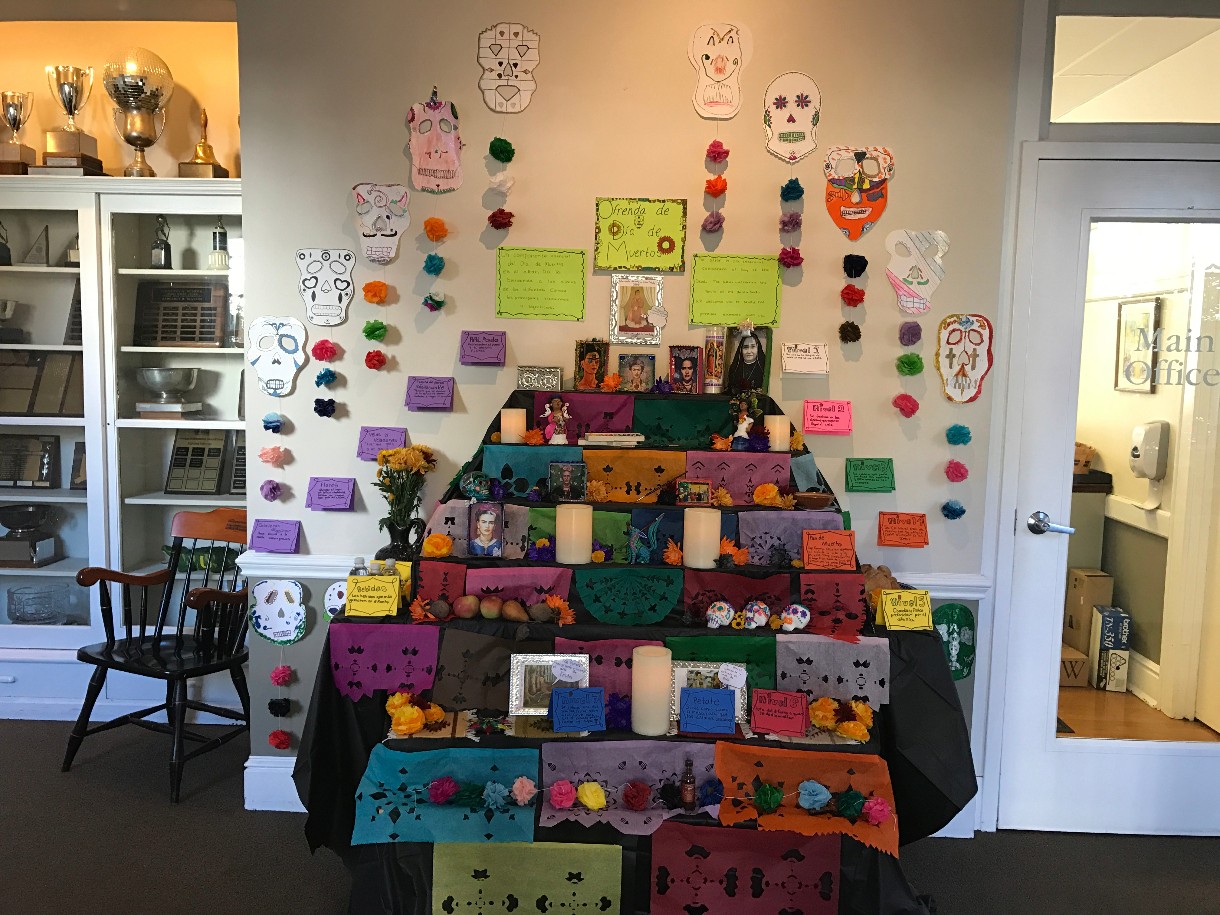
One of the most important Día de los Muertos traditions is creating an altar, also called an ofrenda. An altar is used to remember and honor loved ones who have passed away.
Children in your classroom can work together to build a shared remembrance. To create an altar, you will need a table, a white tablecloth, pictures of loved ones, marigolds, and decorative skulls. Traditional altars also include candles, so see the safety tip below for classroom-friendly options.
First, cover the table with the white tablecloth. Then arrange the pictures, marigolds, skulls, and candles on the altar. You can also add other items that are significant to the people being honored.
Once the altar is complete, gather the children and invite them to share a memory of someone they would like to honor. Sharing is optional, and some children may prefer to listen.
Tip: Use battery-operated or paper candles instead of real flames, which are a fire risk around young children. Ask families before displaying photos and let them choose who is honored, whether a grandparent, a friend, or a pet. Keep the altar at children’s eye level and out of walkways.
Marigold Wreath
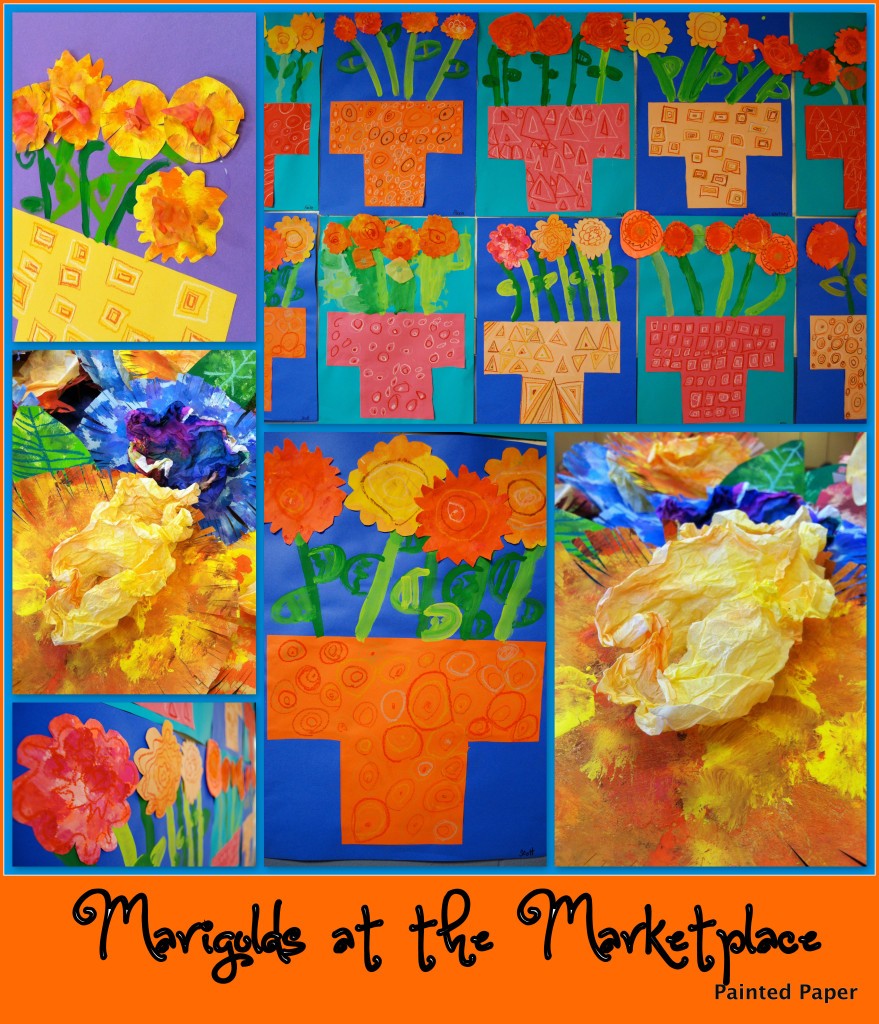
Another activity preschoolers can do is make a marigold wreath. Marigolds, known as cempasúchil, are often used to decorate altars during the holiday, as they are believed to guide the souls of the dead back to their homes.
To make a marigold wreath, you will need construction paper, child-safe scissors, glue, and ribbon. First, help your students cut out five or six marigold shapes from the construction paper.
Next, have them glue the marigolds onto a piece of ribbon to create a wreath. Once the glue is dry, hang the wreath in the classroom or on your Día de los Muertos altar.
Tip: Crumpled or layered orange and yellow tissue paper makes fuller, more flower-like marigolds. Toddlers can glue pre-cut shapes, while older preschoolers can cut their own.
Sugar Skulls (Calaveras de Azúcar)
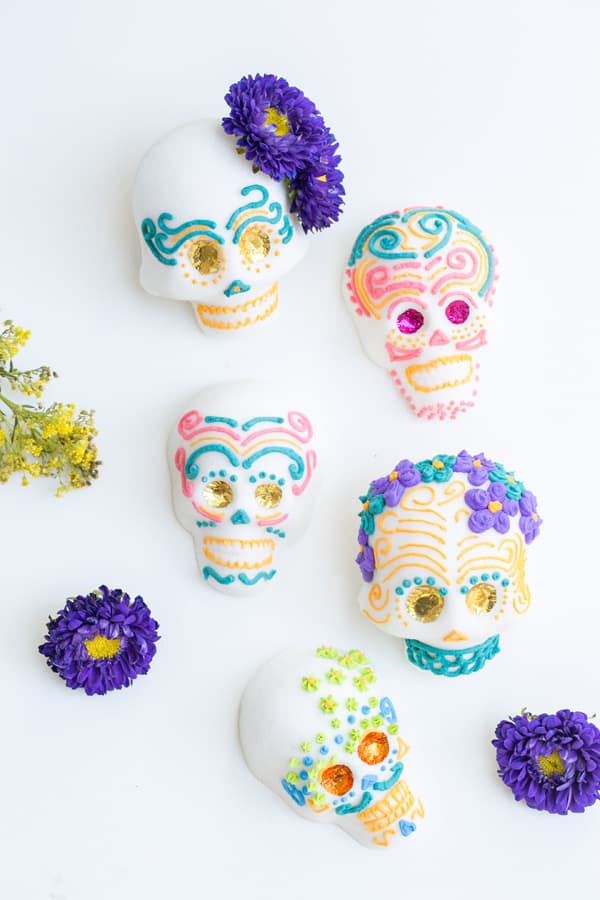
Sugar skulls are a traditional part of the holiday, and they can be made from scratch or with a kit. If you want to make them from scratch, you will need sugar, water, food coloring, and molds.
To make the sugar skulls, mix together 1 cup of sugar with 1/4 cup of water. Once the sugar is dissolved, add in a few drops of food coloring to desired shade.
Then, carefully pour the mixture into the molds and let them harden overnight. Once they are hardened, you can decorate them with icing, glitter, and other embellishments.
If you would prefer to use a kit, kits can be found online and at many craft stores. Either way, this activity gives children a chance to learn about the tradition and let their creativity flow.
Tip: Sugar skull methods vary, so test your recipe or kit yourself before doing it with children and follow any kit instructions. Check enrollment records for food allergies and sensitivities, and remind children that the skulls are decorations, not snacks. Coloring paper sugar skulls is an easy, no-mess alternative.
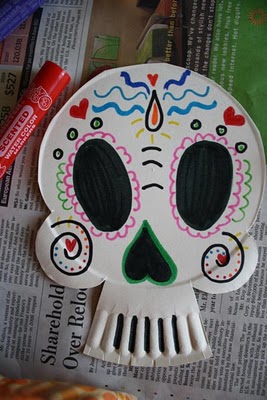
Paper Plate Skeleton
This is a simple project that preschoolers tend to enjoy. You will need a paper plate, child-safe scissors, black paint, and markers.
First, have the children cut out the center of the paper plate to create a hole. Next, encourage them to draw a skeleton onto the plate with the markers.
You can also add other Día de los Muertos decorations, such as marigolds or skulls.
Tip: Pre-cut the center hole for younger children, and offer crayons or chalk if you would rather skip the paint. Talk about how skeletons in Día de los Muertos art are shown as colorful and cheerful rather than frightening.
Paper Plate Maracas
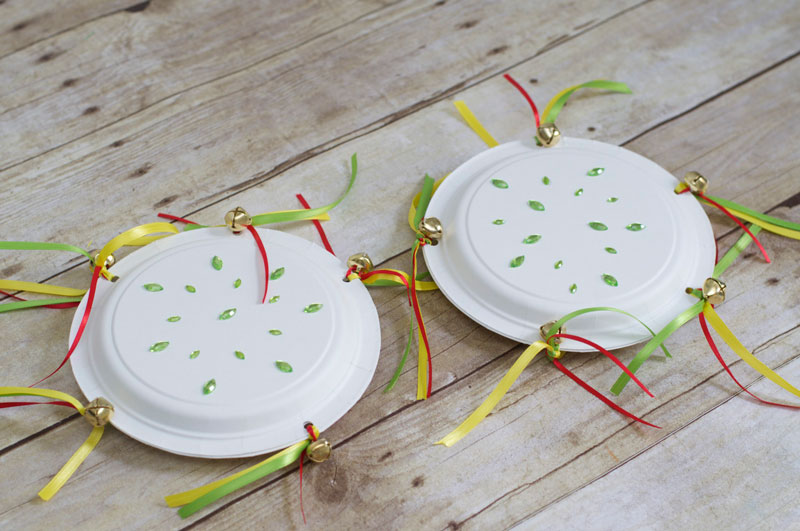
Maracas are a lively way to bring music and movement into your celebration. You will need a paper plate, rice, markers, glue, and ribbon.
First, have your preschoolers decorate the paper plate with markers. Next, glue the ribbon around the edge of the plate. Once the glue is dry, pour some rice into the center of the plate and seal it shut.
Have a dance party in the classroom and let children shake their maracas along to the music.
Tip: Rice is a choking hazard if a maraca opens, so seal the edges well and supervise play. Put away any shaker that comes apart. Ask families for song suggestions and play music from Mexico and other Latin American countries during your dance party.
Skull Mask
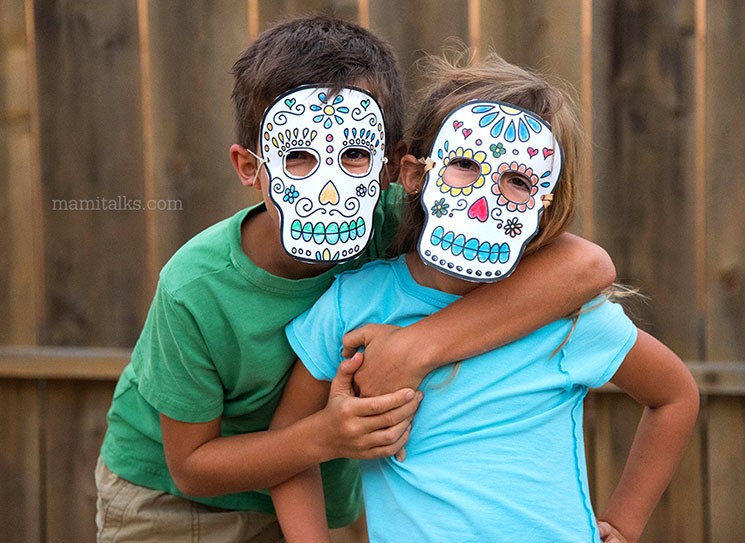
Our final activity is a skull mask. This is a fun way for preschoolers to dress up and join in the spirit of the holiday.
You will need a white paper plate, black paint, markers, elastic string, and scissors. First, encourage each child to paint their paper plate however they like. Then have them draw eyes, a nose, and a mouth to create a skull face.
Next, use the scissors to cut two holes on either side of the plate. Thread the elastic string through the holes and tie it in place.
Children can then wear their masks during Día de los Muertos celebrations.
Tip: Adults should cut the eye and side holes and tie the elastic. Some children are uncomfortable with a mask over their face, so offer a version held up on a craft stick instead. Bright colors and flower patterns help skulls feel festive rather than scary.
Bringing Families Into the Celebration
Día de los Muertos is a good opportunity to connect with the families in your program. Invite families to share photos of loved ones, stories, songs, or recipes, make clear that taking part is optional, and follow their lead on traditions. Families who do not celebrate can still learn alongside you, and every child can share how their family remembers people they love.
Send a short note home explaining what you plan to do and why, in the languages your families speak.
Ask for copies of photos for the altar rather than originals, and return them after the celebration.
Invite family members to visit for a short sharing time, or to send in a written or recorded memory.
Offer an alternative activity, such as a gratitude craft, for families who prefer not to take part.
Key Takeaways
Keep the focus on remembrance. Present Día de los Muertos as a celebration of love and memory in its own right, separate from Halloween.
Learn from your families. Invite Latino families and staff to guide what you do, and make participation optional.
Match the activity to the age group. Toddlers can tear, stick, and glue pre-cut shapes, while preschoolers can cut, paint, and share their own memories.
Plan for safety. Use battery-operated candles, supervise small items, test any recipe first, and check for food allergies.
Keep explanations simple. Use calm, honest, age-appropriate language about death and remembrance, and be ready for questions.
Final Thoughts
Día de los Muertos is a joyful holiday that people of all ages can take part in. These activities give preschoolers a hands-on way to learn about the tradition and can create lasting memories for children and families.
So gather your supplies and choose the activities that fit your group. Interested in more lesson plans for the season? Check out our fall themed lesson plans and ideas.

More fall and seasonal reading for your classroom
Like these ideas?
Book a demo with Playground to learn more about built-in, state-aligned curriculum paired with your billing, payroll, marketing, and enrollment features.
Día de los Muertos, also known as Day of the Dead, is a Mexican holiday that honors the lives of loved ones who have passed away. It is traditionally observed on November 1 and 2.
Celebrated in Mexico and in several other Latin American countries, this joyful tradition is a meaningful way to bring Latino culture into your program and support inclusion. It is also an opportunity to remember and honor the people we love.
If you are looking for Día de los Muertos activities for preschool or child care, this post shares six hands-on ideas, along with tips on materials, age groups, safety, and working with families. Traditions vary from family to family and region to region, so treat these ideas as a starting point and learn from the families in your community.
Looking for more ideas? Book a demo with Playground to learn more about state-aligned activities and curriculum via a partnership with Highlights.
Before You Begin: Teaching Día de los Muertos with Respect
Día de los Muertos is a living tradition that is meaningful to many families, so a little preparation goes a long way. For more on building cultural inclusion throughout the year, read our guide to weaving Latino heritage into early learning.
Invite, do not assume. Ask Latino families and staff whether they would like to share traditions, and let them guide what you include.
Keep it separate from Halloween. Día de los Muertos is its own tradition focused on remembering loved ones, so avoid mixing it with Halloween decorations or themes.
Treat skulls and skeletons with care. They are colorful, festive symbols in this holiday. Present them as part of the celebration rather than as something scary or silly.
Be gentle and honest about loss. Keep explanations short and calm, and check in with families first, since some children may have experienced a recent loss.
Respect different beliefs. Not every family celebrates, so offer an alternative activity and share your plans in advance.
Planning Tips for Directors and Teachers
Ages and abilities. Toddlers can tear paper, press stickers, and glue pre-cut shapes. Preschoolers can cut with child-safe scissors, paint, and share a memory. The sugar skull and mask activities need the most adult help.
Materials and budget. Most of these ideas use paper plates, construction paper, markers, glue, and ribbon. Ask families to donate scrap paper, and save finished decorations to reuse next year.
Safety. Skip real candles, supervise small items such as rice, and check for food allergies before any activity that involves sweets.
Pacing. Spread the activities over a week so children have time to build the altar, add to it, and talk about it together.
Classroom Altar (Ofrenda)
One of the most important Día de los Muertos traditions is creating an altar, also called an ofrenda. An altar is used to remember and honor loved ones who have passed away.
Children in your classroom can work together to build a shared remembrance. To create an altar, you will need a table, a white tablecloth, pictures of loved ones, marigolds, and decorative skulls. Traditional altars also include candles, so see the safety tip below for classroom-friendly options.
First, cover the table with the white tablecloth. Then arrange the pictures, marigolds, skulls, and candles on the altar. You can also add other items that are significant to the people being honored.
Once the altar is complete, gather the children and invite them to share a memory of someone they would like to honor. Sharing is optional, and some children may prefer to listen.
Tip: Use battery-operated or paper candles instead of real flames, which are a fire risk around young children. Ask families before displaying photos and let them choose who is honored, whether a grandparent, a friend, or a pet. Keep the altar at children’s eye level and out of walkways.
Marigold Wreath
Another activity preschoolers can do is make a marigold wreath. Marigolds, known as cempasúchil, are often used to decorate altars during the holiday, as they are believed to guide the souls of the dead back to their homes.
To make a marigold wreath, you will need construction paper, child-safe scissors, glue, and ribbon. First, help your students cut out five or six marigold shapes from the construction paper.
Next, have them glue the marigolds onto a piece of ribbon to create a wreath. Once the glue is dry, hang the wreath in the classroom or on your Día de los Muertos altar.
Tip: Crumpled or layered orange and yellow tissue paper makes fuller, more flower-like marigolds. Toddlers can glue pre-cut shapes, while older preschoolers can cut their own.
Sugar Skulls (Calaveras de Azúcar)
Sugar skulls are a traditional part of the holiday, and they can be made from scratch or with a kit. If you want to make them from scratch, you will need sugar, water, food coloring, and molds.
To make the sugar skulls, mix together 1 cup of sugar with 1/4 cup of water. Once the sugar is dissolved, add in a few drops of food coloring to desired shade.
Then, carefully pour the mixture into the molds and let them harden overnight. Once they are hardened, you can decorate them with icing, glitter, and other embellishments.
If you would prefer to use a kit, kits can be found online and at many craft stores. Either way, this activity gives children a chance to learn about the tradition and let their creativity flow.
Tip: Sugar skull methods vary, so test your recipe or kit yourself before doing it with children and follow any kit instructions. Check enrollment records for food allergies and sensitivities, and remind children that the skulls are decorations, not snacks. Coloring paper sugar skulls is an easy, no-mess alternative.
Paper Plate Skeleton
This is a simple project that preschoolers tend to enjoy. You will need a paper plate, child-safe scissors, black paint, and markers.
First, have the children cut out the center of the paper plate to create a hole. Next, encourage them to draw a skeleton onto the plate with the markers.
You can also add other Día de los Muertos decorations, such as marigolds or skulls.
Tip: Pre-cut the center hole for younger children, and offer crayons or chalk if you would rather skip the paint. Talk about how skeletons in Día de los Muertos art are shown as colorful and cheerful rather than frightening.
Paper Plate Maracas
Maracas are a lively way to bring music and movement into your celebration. You will need a paper plate, rice, markers, glue, and ribbon.
First, have your preschoolers decorate the paper plate with markers. Next, glue the ribbon around the edge of the plate. Once the glue is dry, pour some rice into the center of the plate and seal it shut.
Have a dance party in the classroom and let children shake their maracas along to the music.
Tip: Rice is a choking hazard if a maraca opens, so seal the edges well and supervise play. Put away any shaker that comes apart. Ask families for song suggestions and play music from Mexico and other Latin American countries during your dance party.
Skull Mask
Our final activity is a skull mask. This is a fun way for preschoolers to dress up and join in the spirit of the holiday.
You will need a white paper plate, black paint, markers, elastic string, and scissors. First, encourage each child to paint their paper plate however they like. Then have them draw eyes, a nose, and a mouth to create a skull face.
Next, use the scissors to cut two holes on either side of the plate. Thread the elastic string through the holes and tie it in place.
Children can then wear their masks during Día de los Muertos celebrations.
Tip: Adults should cut the eye and side holes and tie the elastic. Some children are uncomfortable with a mask over their face, so offer a version held up on a craft stick instead. Bright colors and flower patterns help skulls feel festive rather than scary.
Bringing Families Into the Celebration
Día de los Muertos is a good opportunity to connect with the families in your program. Invite families to share photos of loved ones, stories, songs, or recipes, make clear that taking part is optional, and follow their lead on traditions. Families who do not celebrate can still learn alongside you, and every child can share how their family remembers people they love.
Send a short note home explaining what you plan to do and why, in the languages your families speak.
Ask for copies of photos for the altar rather than originals, and return them after the celebration.
Invite family members to visit for a short sharing time, or to send in a written or recorded memory.
Offer an alternative activity, such as a gratitude craft, for families who prefer not to take part.
Key Takeaways
Keep the focus on remembrance. Present Día de los Muertos as a celebration of love and memory in its own right, separate from Halloween.
Learn from your families. Invite Latino families and staff to guide what you do, and make participation optional.
Match the activity to the age group. Toddlers can tear, stick, and glue pre-cut shapes, while preschoolers can cut, paint, and share their own memories.
Plan for safety. Use battery-operated candles, supervise small items, test any recipe first, and check for food allergies.
Keep explanations simple. Use calm, honest, age-appropriate language about death and remembrance, and be ready for questions.
Final Thoughts
Día de los Muertos is a joyful holiday that people of all ages can take part in. These activities give preschoolers a hands-on way to learn about the tradition and can create lasting memories for children and families.
So gather your supplies and choose the activities that fit your group. Interested in more lesson plans for the season? Check out our fall themed lesson plans and ideas.
More fall and seasonal reading for your classroom
Like these ideas?
Book a demo with Playground to learn more about built-in, state-aligned curriculum paired with your billing, payroll, marketing, and enrollment features.
Beny Mizrachi leads marketing at Playground from New York, where he runs go-to-market across content, paid and organic social, email, referrals, and strategic partnerships. He authors content on the Playground blog — including the comprehensive guide to creating a preschool marketing plan — and is dedicated to making it easier for child care operators to attract families, improve enrollment, and stand out in competitive markets.
Share this article
The highest rated child care software
Ratings and review counts from public app store listings, May 2026.

Book a demo and simplify every corner of your business.



Book a demo and simplify every corner of your business.