How Much Does It Cost to Open a Child Care Business?
How Much Does It Cost to Open a Child Care Business?
How Much Does It Cost to Open a Child Care Business?

Opening a child care business requires different costs and considerations depending on factors like your state, the number of children you plan to care for, and whether you will work out of your home or a commercial space. Thus, upfront costs can run the gamut, depending on the space, equipment, furnishings, toys, bedding, staffing, and other materials needed to meet the needs for operations, comfort, and compliance.
For instance, a small center-based child care business with eight to 10 children and two or three staff members might expect to need anywhere from $58,000 to $129,000 to launch and fund themselves for the first one to three months of business. On the other hand, a home-based child care center might skip the hefty upfront costs of a commercial lease, with an entry point of $26,000 to $76,000.
To estimate your own potential costs when opening a child care business, reference the cost tables below, which detail expenses associated with your facility, furniture and equipment, licensing and insurance, operations, staff wages, basic marketing and other consumer goods. Where possible, costs are broken down into a per-child or per-staff-member basis for easy custom estimates.
Thousands of child care providers are using Playground to help streamline operations and save money and time. Book a free demo today to see what Playground can do for your child care business.
Building and facility
Your building or facility is likely to be your largest upfront and ongoing cost. Whether you are a center-based or home-based care, you can opt to rent or own your space. If you don’t already own a building, leasing a commercial space may be the best way to avoid upfront costs. A downpayment on a building purchase can cost tens to hundreds of thousands upfront, in addition to ongoing mortgage payments. A lease, on the other hand, will likely require a few months charges upfront, as well as a security deposit.
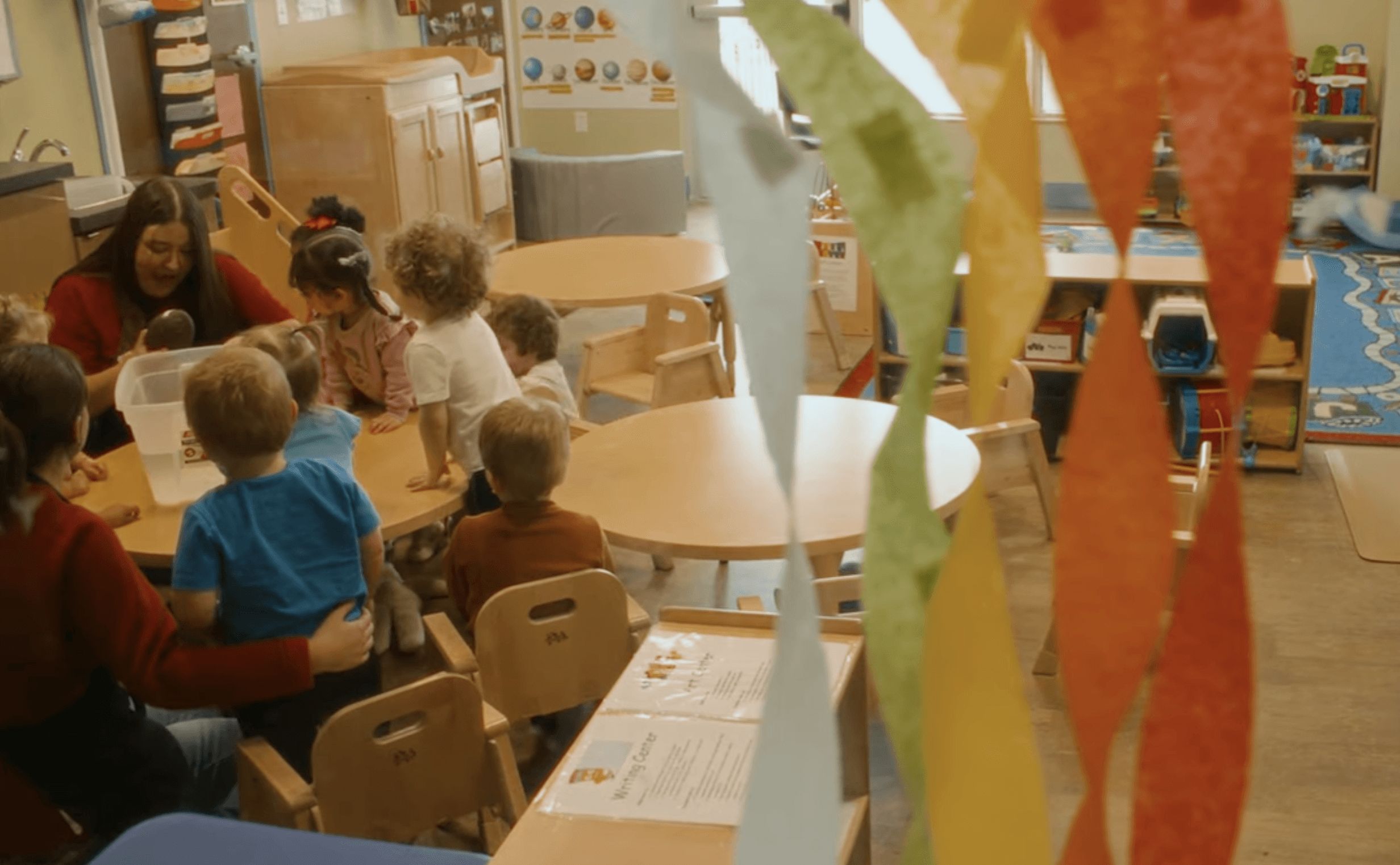
Family or home-based care centers will likely have the advantage of overlap in their residential housing costs and business costs. Make sure to consult a CPA about the tax implications for long-term maximization of your budget.
Like the housing market, your building costs are going to be highly dependent on your geographical location. You can generally expect high cost-of-living areas to be more expensive for a building purchase or rental, and vice versa. There are also going to be parallel costs to the building and space itself, including inspections, repairs, utilities, and child-proofing spaces.
To get the most accurate estimate for your area, you will need three figure estimates:
The average local commercial lease rate per square foot. A local commercial real estate agent, or recently leased listings can help provide this information. For example, in Boston, the typical commercial lease rate in 2024 was $69.40 – ranging from $31/sqft. for Class C property to $77/sqft. for Class A property.
The number of children you plan to enroll. The number of children your organization cares for will dictate how much space you practically need and thereby which compliance rules apply to you. For example, if you are licensed as a Small Group & School Aged facility in Massachusetts, you are allowed to enroll up to 10 children in your commercial facility.
The square footage per student required by your state. Depending on your business type, your state’s governing body often dictates minimum space requirements per child. For example, in Massachusetts, small and large center-based operations require a minimum of 35 square feet of indoor activity space per child, while family child care operations with three to six children enrolled are subject to a minimum requirement of 225 square feet. Make sure to review your requirements for your locale carefully, as other rules may apply to bathrooms, outdoor areas, and other building features.
Using the Boston, MA details with a Class C property, we can project the commercial lease costs we need to budget for by multiplying the average or expected lease rate by the square footage needed given licensure restrictions and enrollment.
$31.17 average lease cost per square foot * 10 children maximum * 35 square feet needed per child minimum = $10,910 per month.
Up front, you will likely owe charges for first and last month’s rent, as well as a security deposit equal to one month’s rent, for a total upfront cost of $10,910 * 3 = $32,729, with ongoing costs of nearly $11,000 per month.
If you opt for ownership, you’ll want to keep in mind that you’ll need to fork over a large downpayment – often 25% of the purchase price in commercial transactions – and put aside money for transaction costs, building insurance, mortgage interest, property taxes, and more. If you are new to the industry, it will likely make more sense to start off with a lease before committing so much capital and cash flow in a building purchase.
Furniture and Equipment
Once you have your building secured, you will have to furnish it very specifically to your use case. You will likely need to plan for indoor activity area, naptime arrangements, food preparation, emergency preparation, child transfer strategies, and more. Some furniture and equipment that are common in most child care facilities include:
Line item | Estimated cost range | Notes |
Refrigerator | $800 - $1,000 | Refrigerators may be used for staff food, food to be prepared for the children, and in some cases, medications. |
Stove | $800 - $1,200 | Extra may be built in to account for installation costs |
Microwave | $100 - $400 | |
Flooring | ~$7 per square foot for laminate; carpet | Softer flooring may be preferable to avoid injuries, but carpets may become petri dishes quickly. |
Cubbies and storage | $300 - $2,500 | Children will need cubbies for their personal belongings. You will also need storage bins and displays for books, toys, food, and supplies. |
Staff desks and chairs | $500 to $1500 per classroom or staff member | Oftentimes, used office equipment is sold by other companies at a discount. |
Child desks, chairs, tables | $100 to $300 per child | Desk, chair and table arrangements will depend on children’s age. |
Break room | $1,000 to $3,000 | A couch, table, chairs, coffee maker, and other amenities might be included, depending on your staff size and space availability. |
Playground equipment | $8,000 to $25,000 | Some states set out mandates on playground set ups and equipment; check carefully before making a big purchase. |
Changing tables | $250 to $500 each | General recommendation to have one per applicable classroom, or one for every six to eight children. |
Diaper receptacles | $50 to $130 each | Human waste should be kept separate of other waste for smell and safety reasons. Recommended one per changing table. |
Trash receptacles | $30 each for indoor trash bins $50 to $150 each for outdoor receptacles | Each room should have its own trash can. Outdoor cans for public or institutional use will depend on your location and space, and whether you have access to a dumpster through your lease. |
Fire extinguishers | $50 to $250 each | Typically one is required on each floor of the building, and near high-risk areas like kitchens. |
Based on these figures, a small center-based child care center with 10 children and two or three staff members might expect to spend $15,000 to $45,000 furnishing the center.
Licensing and Insurance
You may already have started your business journey by applying for a business license. Typically an LLC is an appropriate business structure for many child care businesses. Typically, this will cost about $100 to $150 up front, although some states, like New York, have additional hoops to jump through (such as running a public newspaper ad announcing the LLC formation) that may cost hundreds to thousands of dollars extra.
Due to the sensitive nature of handling other people’s children, your business will also need a suite of insurance coverage. Proper coverage will likely include:
General Liability: Covers you if a child, parent, or visitor gets hurt on your property or something gets damaged. It protects your business from expensive lawsuits and medical bills.
Professional Liability: Protects you when someone claims your staff made a mistake while caring for kids, such as not watching closely enough or handling an injury the wrong way.
Property Insurance: Pays to fix or replace your building, furniture, toys, and equipment if they’re damaged by fire, storm, theft, or vandalism.
Worker’s Compensation: Required in most states. It pays for medical care and lost wages if a staff member gets hurt on the job — which happens a lot when working with young children.
Vehicle Insurance: Only needed if you drive kids anywhere (field trips, etc.). It covers accidents involving your center’s vehicle and protects you from big liability claims.
Additionally, depending on your own/lease status and child care license type, you will likely be subject to certain facility inspections which may add on some additional fees. In some cases, you may need to petition your locale for zoning permits or variances if your facility is not currently used as a commercial daycare.
Line Item | Estimated cost range | Notes |
Business registration | $100 - $2000 | In most states, registering an LLC will cost about $100 to $200 upfront. |
Insurance | $3,000 to $15,000 per year | It’s often wise to get quotes from several companies. Package deals may be available for coverage combinations. Premiums depend on the number of children, location, facility, coverage limits and more. |
Child care licensing | $100 to $800 | This will depend on your state and your business type/size. |
Facility inspections | $200 to $600 | E.g. fire marshal and local health department. Licensing bodies may all need to inspect the facilities at some point. |
Background check fees | $50 to $150 per person | Most states will require all staff members receive a background check. Additional people may require background checks – such as household members or frequent visitors – for family child care centers. |
Zoning permits and variances | $300 to $5000+ | Will not be applicable in many cases. Not counted in total estimate. |
Based on the typical licensing and registration costs of opening a childcare listed above, a small center-based childcare center with up to 10 enrolled children and 2-3 staff members might expect to pay anywhere from $3,550 to $9,850 in licensing, registration and insurance costs for year one.
Operations
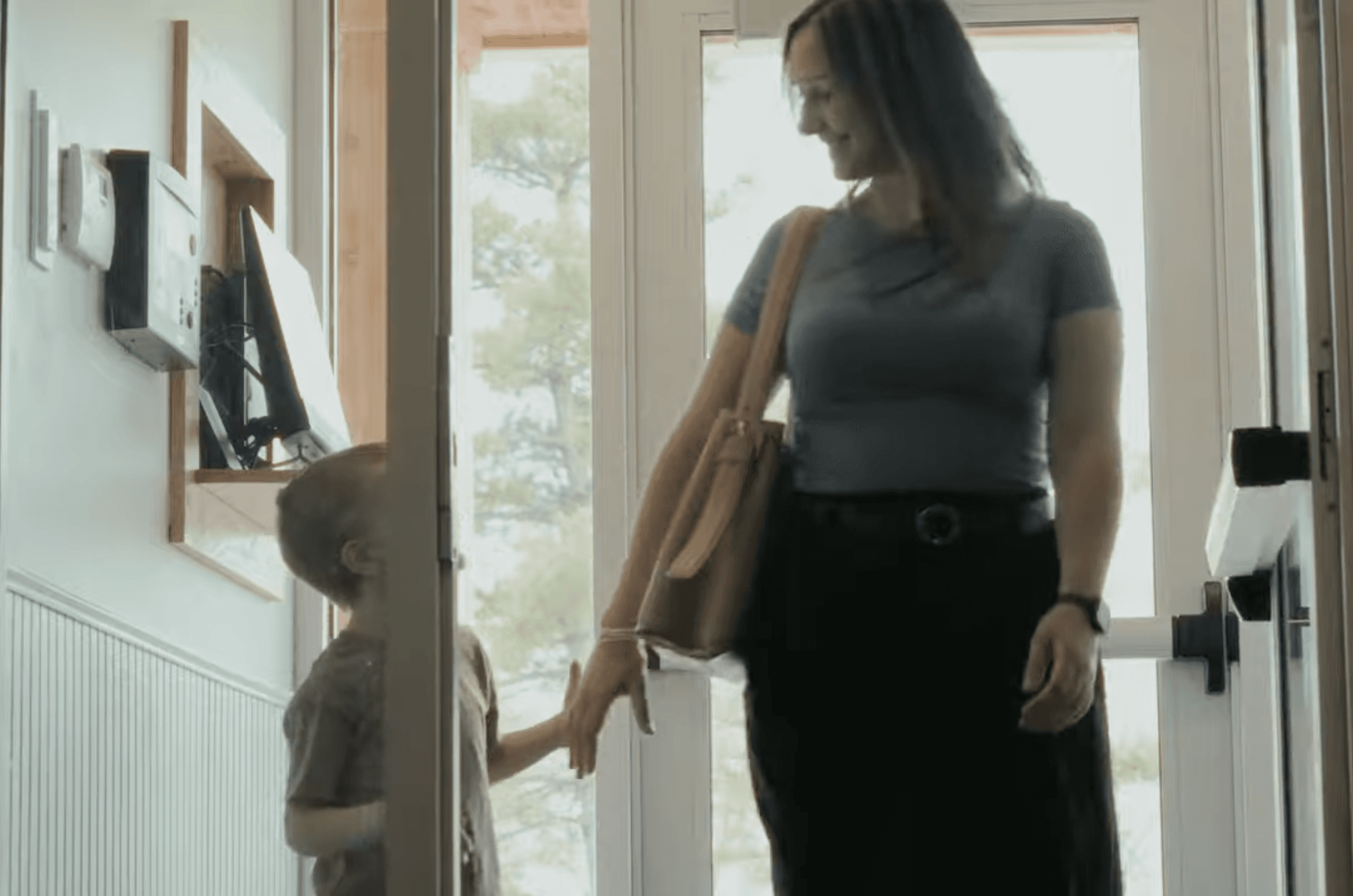
Your operational costs will highly depend on the way your business operates, your facility, the parents you work with, and other factors. For instance, you will have to decide on a firm pick-up and drop-off policy in order to accurately track attendance for compliance and safety purposes. While some child care centers may opt for a manual process with clipboard and pens, others may opt to make a small investment in an operational software program like Playground, which helps parents and caregivers alike stay in sync on a multitude of topics. Book a free demo to see how it can help you save time and money on child care operations.
Common upfront costs for operations in a child care center often include:
Line item | Estimated cost range | Notes |
Operational software | $30 to $400 per month | Software dedicated to serving child care businesses can help you automate payments, attendance, staff hours, meals, compliance and other logistics. Playground, Brightwheel, and Proocare are the major players in this space. |
Security | $400 to $5,000 | You’ll likely want to invest in cameras inside and outside your facility, as well as appropriate locks and fencing. Some security systems may require monthly fees. |
Cleaning supplies | $200 to $600 | Dish soap, hand soap, bleach, cleaner spray, sponges, gloves, mops, brooms, buckets, towels, paper towels, trash bags, vacuums and more will all be necessary to maintain a safe facility. |
First aid kit | $50 to $200 | You may want to place several first aid kits throughout your facility for ease of access. |
Computers | $500 to $2500 | Depending on the size of your operation, you may need several computers and/or tablets to facilitate day to day paperwork and operations. |
Printers | $200 to $1,500 | Having a printer with copy, print and scan functions will likely come in handy for your business, especially if you do not use operational software like Playground. |
Office supplies | $100 to $400 | Paper, ink, pens, chalk, dry erase markers, staplers, tape, extension cords, and other supplies will help support your staff throughout the day. |
Based on the typical costs for supplies and services to support day-to-day operations, a center-based child care with up to 10 enrolled children might expect to pay around $1,800 to $4,900 upfront.
Staff Wages
For most child care centers, staff wages are a major cost, with 70% to 80% of revenue often going to pay out employees. The burden of your staff costs will depend on the size of your center and the state’s associated child to supervisor ratios, as well as the local pay premiums for child care workers.
Line item | Estimated cost range | Notes |
Wages | $15.41 per hour per employee | Childcare worker pay will vary by location and job market. $15.41 is the national average as of 2024. Different credentials and responsibility levels will also dictate pay rates. |
Payroll taxes | Approximately 8% of employees’ gross wages | Depending on the structure of your child care operation, you may owe additional FICA taxes or unemployment taxes in addition to wages. |
Training/enrichment | $50 to $600 per employee | While not required, many child care directors opt to pay for or reimburse their staffs training and continuing education costs. These are often required by the state or otherwise help support staff retention. |
Benefits | Up to $8,000 per employee per year | Any perks you offer employees, from free coffee to health insurance, will add to your bottom line. |
Assuming our example center-based care with up to 10 children enrolled does not offer health insurance to its staff initially, you could expect to pay roughly $2,700 per month per full-time employee at the average national wage, including payroll taxes.
Marketing
Even if you don’t plan to heavily market your business – let’s say you have your roster on a waiting list already – you will need to invest in certain basics, like outdoor signage and likely a website for parents to learn about and interact with you.
Line item | Estimated cost range | Notes |
Signage | $200 to $3,000 | You’ll want to make sure your business is visible from the street, for safety and marketing purposes alike. |
Website | $200 to $3,000 | This is a must have – people need to be able to search for your business, find contact information, and otherwise feel that you are a transparent source of authority in the child care space. There are many routes to creating and maintaining a website, from DIY to hiring a professional. |
Flyers/mailers | $0.30 to $1.00 per piece | Getting your name and details in local mailboxes can be a great way to alert your target market of your business opening. |
Brochures and application forms | $0.30 to $1.60 per piece | When parents come to visit the premises, you’ll want to have some form of information that they can take with them for their private consideration after the tour is over. |
With these basic marketing pillars covered, a small center-based business with up to 10 enrollees, might expect to pay $600 to $6,000 upfront for a basic marketing setup.
Otherwise, comprehensive child care management software like Playground can help you market your business to prospective clients by capturing leads through your website, email campaigns, enrollment and more – in addition to all the operational benefits.
Consumer Goods
Caring for children will require a lot of supplies, from cleaning to food to activities and enrichment. You’ll want to make sure you have enough of the appropriate supplies for the number of children enrolled in your child care. For discounts on a wide range of consumer goods commonly used in child care businesses, check out the Playground Savings Club.
Line item | Estimated cost range | Notes |
Food | $2-$6 per child per day | Food costs will depend on factors such as scope of care, enrollee allergies, compliance programs, parental guidance, and other factors. Some businesses may get reimbursed through Child and Adult Care Food Program (CACFP). |
Pots and pans; food prep items | $100 to $300 | Additional food preparation items may be required depending on your menu and practices. |
Plates, cutlery, cups, bottles | $300 to $800 | Child-safe and child-sized plates and cutlery will be required. Consider whether they should be dishwasher safe. |
Toys, books, puzzles, games | $500 to $1,500 | Toy types will vary depending on the age ranges of your enrollees, but you’ll want to account for a variety of potential child interests. |
Arts and crafts supplies | $100 to $400 | This might include construction paper, markers, crayons, play doh, or other materials that may need to be replenished over time. |
Outdoor play equipment | $100 to $1,000 | Balls, tricycles, wagons, sandboxes, and other equipment may be worthwhile add-ons to a playground set up. |
Cribs, cots, rest mats | $50 to $400 per child | You’ll want to get easily cleanable sleeping arrangements for the children in your care, which might include sheets, blankets and pillows as well. |
Diapers and wipes | $0.18 to $0.50 per diaper in bulk purchases | Many child care businesses opt to work out some sort of shared-cost program where parents cover some or all of the cost of diapers used while in care. |
Given the cost estimates above, a small center-based child care business with up to 10 enrolled children might expect to pay in the range of $2,350 to $4,750 in upfront consumer goods costs.
Total Costs for Opening a Child Care Business
Ultimately, the upfront cost of opening your child care business will depend on a wide variety of factors, but the above figures – broken down into per-child estimates where possible – will help you figure out what costs to plan for and what you might expect while shopping.
Using the aggregate estimates above for a ten-child child care business operating out of a commercial facility, you might expect to pay anywhere from $58,729 to $108,629 to get up and running for their first few months of business, including upfront lease costs and staff wages. Because many of the costs require an initial premium or are one-time, ongoing costs will more so be reflected in the cost of paying your staff, and any commercial lease costs.
For a family based child care business with 10 or fewer children, you can remove the upfront commercial lease costs for an estimate of $26,000 to $75,900 for startup, depending on your circumstances and goals, including the cost of paying one full-time employee for one month.
Opening a child care business requires different costs and considerations depending on factors like your state, the number of children you plan to care for, and whether you will work out of your home or a commercial space. Thus, upfront costs can run the gamut, depending on the space, equipment, furnishings, toys, bedding, staffing, and other materials needed to meet the needs for operations, comfort, and compliance.
For instance, a small center-based child care business with eight to 10 children and two or three staff members might expect to need anywhere from $58,000 to $129,000 to launch and fund themselves for the first one to three months of business. On the other hand, a home-based child care center might skip the hefty upfront costs of a commercial lease, with an entry point of $26,000 to $76,000.
To estimate your own potential costs when opening a child care business, reference the cost tables below, which detail expenses associated with your facility, furniture and equipment, licensing and insurance, operations, staff wages, basic marketing and other consumer goods. Where possible, costs are broken down into a per-child or per-staff-member basis for easy custom estimates.
Thousands of child care providers are using Playground to help streamline operations and save money and time. Book a free demo today to see what Playground can do for your child care business.
Building and facility
Your building or facility is likely to be your largest upfront and ongoing cost. Whether you are a center-based or home-based care, you can opt to rent or own your space. If you don’t already own a building, leasing a commercial space may be the best way to avoid upfront costs. A downpayment on a building purchase can cost tens to hundreds of thousands upfront, in addition to ongoing mortgage payments. A lease, on the other hand, will likely require a few months charges upfront, as well as a security deposit.
Family or home-based care centers will likely have the advantage of overlap in their residential housing costs and business costs. Make sure to consult a CPA about the tax implications for long-term maximization of your budget.
Like the housing market, your building costs are going to be highly dependent on your geographical location. You can generally expect high cost-of-living areas to be more expensive for a building purchase or rental, and vice versa. There are also going to be parallel costs to the building and space itself, including inspections, repairs, utilities, and child-proofing spaces.
To get the most accurate estimate for your area, you will need three figure estimates:
The average local commercial lease rate per square foot. A local commercial real estate agent, or recently leased listings can help provide this information. For example, in Boston, the typical commercial lease rate in 2024 was $69.40 – ranging from $31/sqft. for Class C property to $77/sqft. for Class A property.
The number of children you plan to enroll. The number of children your organization cares for will dictate how much space you practically need and thereby which compliance rules apply to you. For example, if you are licensed as a Small Group & School Aged facility in Massachusetts, you are allowed to enroll up to 10 children in your commercial facility.
The square footage per student required by your state. Depending on your business type, your state’s governing body often dictates minimum space requirements per child. For example, in Massachusetts, small and large center-based operations require a minimum of 35 square feet of indoor activity space per child, while family child care operations with three to six children enrolled are subject to a minimum requirement of 225 square feet. Make sure to review your requirements for your locale carefully, as other rules may apply to bathrooms, outdoor areas, and other building features.
Using the Boston, MA details with a Class C property, we can project the commercial lease costs we need to budget for by multiplying the average or expected lease rate by the square footage needed given licensure restrictions and enrollment.
$31.17 average lease cost per square foot * 10 children maximum * 35 square feet needed per child minimum = $10,910 per month.
Up front, you will likely owe charges for first and last month’s rent, as well as a security deposit equal to one month’s rent, for a total upfront cost of $10,910 * 3 = $32,729, with ongoing costs of nearly $11,000 per month.
If you opt for ownership, you’ll want to keep in mind that you’ll need to fork over a large downpayment – often 25% of the purchase price in commercial transactions – and put aside money for transaction costs, building insurance, mortgage interest, property taxes, and more. If you are new to the industry, it will likely make more sense to start off with a lease before committing so much capital and cash flow in a building purchase.
Furniture and Equipment
Once you have your building secured, you will have to furnish it very specifically to your use case. You will likely need to plan for indoor activity area, naptime arrangements, food preparation, emergency preparation, child transfer strategies, and more. Some furniture and equipment that are common in most child care facilities include:
Line item | Estimated cost range | Notes |
Refrigerator | $800 - $1,000 | Refrigerators may be used for staff food, food to be prepared for the children, and in some cases, medications. |
Stove | $800 - $1,200 | Extra may be built in to account for installation costs |
Microwave | $100 - $400 | |
Flooring | ~$7 per square foot for laminate; carpet | Softer flooring may be preferable to avoid injuries, but carpets may become petri dishes quickly. |
Cubbies and storage | $300 - $2,500 | Children will need cubbies for their personal belongings. You will also need storage bins and displays for books, toys, food, and supplies. |
Staff desks and chairs | $500 to $1500 per classroom or staff member | Oftentimes, used office equipment is sold by other companies at a discount. |
Child desks, chairs, tables | $100 to $300 per child | Desk, chair and table arrangements will depend on children’s age. |
Break room | $1,000 to $3,000 | A couch, table, chairs, coffee maker, and other amenities might be included, depending on your staff size and space availability. |
Playground equipment | $8,000 to $25,000 | Some states set out mandates on playground set ups and equipment; check carefully before making a big purchase. |
Changing tables | $250 to $500 each | General recommendation to have one per applicable classroom, or one for every six to eight children. |
Diaper receptacles | $50 to $130 each | Human waste should be kept separate of other waste for smell and safety reasons. Recommended one per changing table. |
Trash receptacles | $30 each for indoor trash bins $50 to $150 each for outdoor receptacles | Each room should have its own trash can. Outdoor cans for public or institutional use will depend on your location and space, and whether you have access to a dumpster through your lease. |
Fire extinguishers | $50 to $250 each | Typically one is required on each floor of the building, and near high-risk areas like kitchens. |
Based on these figures, a small center-based child care center with 10 children and two or three staff members might expect to spend $15,000 to $45,000 furnishing the center.
Licensing and Insurance
You may already have started your business journey by applying for a business license. Typically an LLC is an appropriate business structure for many child care businesses. Typically, this will cost about $100 to $150 up front, although some states, like New York, have additional hoops to jump through (such as running a public newspaper ad announcing the LLC formation) that may cost hundreds to thousands of dollars extra.
Due to the sensitive nature of handling other people’s children, your business will also need a suite of insurance coverage. Proper coverage will likely include:
General Liability: Covers you if a child, parent, or visitor gets hurt on your property or something gets damaged. It protects your business from expensive lawsuits and medical bills.
Professional Liability: Protects you when someone claims your staff made a mistake while caring for kids, such as not watching closely enough or handling an injury the wrong way.
Property Insurance: Pays to fix or replace your building, furniture, toys, and equipment if they’re damaged by fire, storm, theft, or vandalism.
Worker’s Compensation: Required in most states. It pays for medical care and lost wages if a staff member gets hurt on the job — which happens a lot when working with young children.
Vehicle Insurance: Only needed if you drive kids anywhere (field trips, etc.). It covers accidents involving your center’s vehicle and protects you from big liability claims.
Additionally, depending on your own/lease status and child care license type, you will likely be subject to certain facility inspections which may add on some additional fees. In some cases, you may need to petition your locale for zoning permits or variances if your facility is not currently used as a commercial daycare.
Line Item | Estimated cost range | Notes |
Business registration | $100 - $2000 | In most states, registering an LLC will cost about $100 to $200 upfront. |
Insurance | $3,000 to $15,000 per year | It’s often wise to get quotes from several companies. Package deals may be available for coverage combinations. Premiums depend on the number of children, location, facility, coverage limits and more. |
Child care licensing | $100 to $800 | This will depend on your state and your business type/size. |
Facility inspections | $200 to $600 | E.g. fire marshal and local health department. Licensing bodies may all need to inspect the facilities at some point. |
Background check fees | $50 to $150 per person | Most states will require all staff members receive a background check. Additional people may require background checks – such as household members or frequent visitors – for family child care centers. |
Zoning permits and variances | $300 to $5000+ | Will not be applicable in many cases. Not counted in total estimate. |
Based on the typical licensing and registration costs of opening a childcare listed above, a small center-based childcare center with up to 10 enrolled children and 2-3 staff members might expect to pay anywhere from $3,550 to $9,850 in licensing, registration and insurance costs for year one.
Operations
Your operational costs will highly depend on the way your business operates, your facility, the parents you work with, and other factors. For instance, you will have to decide on a firm pick-up and drop-off policy in order to accurately track attendance for compliance and safety purposes. While some child care centers may opt for a manual process with clipboard and pens, others may opt to make a small investment in an operational software program like Playground, which helps parents and caregivers alike stay in sync on a multitude of topics. Book a free demo to see how it can help you save time and money on child care operations.
Common upfront costs for operations in a child care center often include:
Line item | Estimated cost range | Notes |
Operational software | $30 to $400 per month | Software dedicated to serving child care businesses can help you automate payments, attendance, staff hours, meals, compliance and other logistics. Playground, Brightwheel, and Proocare are the major players in this space. |
Security | $400 to $5,000 | You’ll likely want to invest in cameras inside and outside your facility, as well as appropriate locks and fencing. Some security systems may require monthly fees. |
Cleaning supplies | $200 to $600 | Dish soap, hand soap, bleach, cleaner spray, sponges, gloves, mops, brooms, buckets, towels, paper towels, trash bags, vacuums and more will all be necessary to maintain a safe facility. |
First aid kit | $50 to $200 | You may want to place several first aid kits throughout your facility for ease of access. |
Computers | $500 to $2500 | Depending on the size of your operation, you may need several computers and/or tablets to facilitate day to day paperwork and operations. |
Printers | $200 to $1,500 | Having a printer with copy, print and scan functions will likely come in handy for your business, especially if you do not use operational software like Playground. |
Office supplies | $100 to $400 | Paper, ink, pens, chalk, dry erase markers, staplers, tape, extension cords, and other supplies will help support your staff throughout the day. |
Based on the typical costs for supplies and services to support day-to-day operations, a center-based child care with up to 10 enrolled children might expect to pay around $1,800 to $4,900 upfront.
Staff Wages
For most child care centers, staff wages are a major cost, with 70% to 80% of revenue often going to pay out employees. The burden of your staff costs will depend on the size of your center and the state’s associated child to supervisor ratios, as well as the local pay premiums for child care workers.
Line item | Estimated cost range | Notes |
Wages | $15.41 per hour per employee | Childcare worker pay will vary by location and job market. $15.41 is the national average as of 2024. Different credentials and responsibility levels will also dictate pay rates. |
Payroll taxes | Approximately 8% of employees’ gross wages | Depending on the structure of your child care operation, you may owe additional FICA taxes or unemployment taxes in addition to wages. |
Training/enrichment | $50 to $600 per employee | While not required, many child care directors opt to pay for or reimburse their staffs training and continuing education costs. These are often required by the state or otherwise help support staff retention. |
Benefits | Up to $8,000 per employee per year | Any perks you offer employees, from free coffee to health insurance, will add to your bottom line. |
Assuming our example center-based care with up to 10 children enrolled does not offer health insurance to its staff initially, you could expect to pay roughly $2,700 per month per full-time employee at the average national wage, including payroll taxes.
Marketing
Even if you don’t plan to heavily market your business – let’s say you have your roster on a waiting list already – you will need to invest in certain basics, like outdoor signage and likely a website for parents to learn about and interact with you.
Line item | Estimated cost range | Notes |
Signage | $200 to $3,000 | You’ll want to make sure your business is visible from the street, for safety and marketing purposes alike. |
Website | $200 to $3,000 | This is a must have – people need to be able to search for your business, find contact information, and otherwise feel that you are a transparent source of authority in the child care space. There are many routes to creating and maintaining a website, from DIY to hiring a professional. |
Flyers/mailers | $0.30 to $1.00 per piece | Getting your name and details in local mailboxes can be a great way to alert your target market of your business opening. |
Brochures and application forms | $0.30 to $1.60 per piece | When parents come to visit the premises, you’ll want to have some form of information that they can take with them for their private consideration after the tour is over. |
With these basic marketing pillars covered, a small center-based business with up to 10 enrollees, might expect to pay $600 to $6,000 upfront for a basic marketing setup.
Otherwise, comprehensive child care management software like Playground can help you market your business to prospective clients by capturing leads through your website, email campaigns, enrollment and more – in addition to all the operational benefits.
Consumer Goods
Caring for children will require a lot of supplies, from cleaning to food to activities and enrichment. You’ll want to make sure you have enough of the appropriate supplies for the number of children enrolled in your child care. For discounts on a wide range of consumer goods commonly used in child care businesses, check out the Playground Savings Club.
Line item | Estimated cost range | Notes |
Food | $2-$6 per child per day | Food costs will depend on factors such as scope of care, enrollee allergies, compliance programs, parental guidance, and other factors. Some businesses may get reimbursed through Child and Adult Care Food Program (CACFP). |
Pots and pans; food prep items | $100 to $300 | Additional food preparation items may be required depending on your menu and practices. |
Plates, cutlery, cups, bottles | $300 to $800 | Child-safe and child-sized plates and cutlery will be required. Consider whether they should be dishwasher safe. |
Toys, books, puzzles, games | $500 to $1,500 | Toy types will vary depending on the age ranges of your enrollees, but you’ll want to account for a variety of potential child interests. |
Arts and crafts supplies | $100 to $400 | This might include construction paper, markers, crayons, play doh, or other materials that may need to be replenished over time. |
Outdoor play equipment | $100 to $1,000 | Balls, tricycles, wagons, sandboxes, and other equipment may be worthwhile add-ons to a playground set up. |
Cribs, cots, rest mats | $50 to $400 per child | You’ll want to get easily cleanable sleeping arrangements for the children in your care, which might include sheets, blankets and pillows as well. |
Diapers and wipes | $0.18 to $0.50 per diaper in bulk purchases | Many child care businesses opt to work out some sort of shared-cost program where parents cover some or all of the cost of diapers used while in care. |
Given the cost estimates above, a small center-based child care business with up to 10 enrolled children might expect to pay in the range of $2,350 to $4,750 in upfront consumer goods costs.
Total Costs for Opening a Child Care Business
Ultimately, the upfront cost of opening your child care business will depend on a wide variety of factors, but the above figures – broken down into per-child estimates where possible – will help you figure out what costs to plan for and what you might expect while shopping.
Using the aggregate estimates above for a ten-child child care business operating out of a commercial facility, you might expect to pay anywhere from $58,729 to $108,629 to get up and running for their first few months of business, including upfront lease costs and staff wages. Because many of the costs require an initial premium or are one-time, ongoing costs will more so be reflected in the cost of paying your staff, and any commercial lease costs.
For a family based child care business with 10 or fewer children, you can remove the upfront commercial lease costs for an estimate of $26,000 to $75,900 for startup, depending on your circumstances and goals, including the cost of paying one full-time employee for one month.
Jaclyn is a data journalist and CFP™ who evaluates trends in the childcare industry and wider economy. She has previously worked for publications including CNET, SmartAsset, Bizfluent, AZCentral and Chron, and as a research consultant for NAPCO Media. Her insights are often cited by publications including Bloomberg, CNBC, Business Insider, Fox News, USA Today, The Hill and more. She has a bachelor’s degree in economics and mathematics from The College of New Jersey.
Share this article
The highest rated child care software
Ratings and review counts from public app store listings, May 2026.
Book a demo and simplify every corner of your business.



Book a demo and simplify every corner of your business.