

State-Funded Pre-K Professional Development Requirements for Teachers
State-Funded Pre-K Professional Development Requirements for Teachers
State-Funded Pre-K Professional Development Requirements for Teachers
Last updated:

State-funded pre-K programs (also called public pre-K or universal prekindergarten) are education programs paid for and directed by the state for 3- and/or 4-year-olds. Like other state-regulated child care providers, teachers in these programs must meet professional development (PD) requirements. These requirements help teachers stay current on child development, curriculum, and best practices in care, while supporting a consistent baseline of quality that benefits children and the broader economy over the long term.
Child care providers can use this information to make informed decisions about career paths or program participation. Compare the requirements against your current PD needs, or review differences across states if you operate multi-site programs subject to varying rules. Note that inconsistency across the country sometimes extends to within states as well, as many states operate more than one program or set requirements at a more local level.
The figures below reflect the latest professional development requirements for lead and assistant teachers in the most prevalent program in each state (where multiple exist). The data provide a useful starting point for comparing teacher expectations nationwide. Child care providers can use this information to make informed decisions about career paths or program participation.
Looking for ways to save more of your staff’s time for what matters? Book a free demo with Playground.
What counts for Professional Development hours?
Each state refers to professional development differently – clock hours, hours, CEUs, or credit hours – so it is important to compare equivalent measures. States also vary in which sources and topics count toward requirements. In many states, one credit hour equals 15 clock hours, but always confirm with your specific state and program type. Many online professional development ¡options allow team members to complete training from home on a flexible schedule.
Which States Have the Most Hours Required for Teachers?
Highest PD hour requirements for lead teachers
Normalizing credit and clock hours per year, some state programs require upwards of 30 professional development hours for lead teachers. The states with the highest annual requirements include:
Hawaii: 60 hours per year
Pennsylvania: 36 hours per year
New York: 35 hours per year
The following states require approximately 30 hours per year for lead teachers, including Tennessee, Arkansas, Alabama, Massachusetts, Texas, and Missouri.
Highest PD hour requirements for assistant teachers
Requirements for assistant teachers do not always mirror those for lead teachers. The states with the highest average annual requirements for assistant teachers include:
Hawaii: 60 hours per year
Tennessee: 30 hours per year
24 hours per year: Maryland, Nevada, New Mexico, Oregon, Pennsylvania, Rhode Island
In most cases, assistant teachers face lower or equivalent requirements compared with lead teachers, though a handful of exceptions exist.
Which States Have the Least Hours Required for Teachers?
Lowest PD requirements for lead teachers
Wisconsin has the lowest professional development requirement for lead teachers in public preschool programs with no requirements. Alaska follows at approximately 6.5 hours per year.
Lowest PD requirements for assistant teachers
Five states require 0 professional development hours for assistant teachers in their publicly funded pre-K programs: Missouri, Illinois, Florida, Alaska, and Wisconsin. Among states that require at least some hours for assistants, Maine (9 hours per year) and Minnesota (10 hours) rank lowest.
Looking for ways to free up your staff’s time? Book a free demo to learn how Playground can streamline your business.
State-by-state professional development requirements
States are listed in alphabetical order with information about the required professional development units for lead teachers and assistant teachers for the state’s publicly funded preschool/pre-k program, with specific applicable programs listed in the last column for multi-program states.
State | Lead teachers | Unit | Assistant teachers | Unit | Program(s) |
Alabama | 30 | clock hours per year | 20 | clock hours per year | |
Alaska | 6.5 | credit hours per year | 0 | 0.5 Average Daily Membership (ADM) Formula Funding; Early Education Program; Pre-Elementary School / Program | |
Arizona | 18 | clock hours per year | 18 | clock hours per year | |
Arkansas | 30 | clock hours per year | 30 | clock hours per year | |
California | 105 | clock hours per 5 years | 105 | clock hours per 5 years | California State Preschool Program |
Colorado | 15 | clock hours per year | 15 | clock hours per year | |
Connecticut | 1% | of total hours worked | 1% | of total hours worked | Child Day Care Contracts program; School Readiness Program |
Delaware | 90 / 15 | hours per 5 years / hours per year | 15 / 18 | public / private hours per year | |
Florida | 15 / 5 | hours in first year spent on PD for emergent literacy / 5 clock hours per 5 years | 0 | ||
Georgia | 15 | clock hours per year | 15 | clock hours per year | |
Hawaii | 60 | clock hours per year | 60 | clock hours per year | Executive Office on Early Learning Public Prekindergarten Program; State Public Charter School Commission Early Learning Program |
Idaho | No program | No program | No program | No program | |
Illinois | 120 | hours per five years | 0 | ||
Indiana | 12 | clock hours per year | 12 | clock hours per year | |
Iowa | Determined locally | Determined locally | Shared Visions Programs; Statewide Voluntary Preschool Program | ||
Kansas | 15 | clock hours per year | 15 | clock hours per year | Preschool Offered by Public School Districts |
Kentucky | 24 | clock hours per year | 18 | clock hours per year | |
Louisiana | 18 | clock hours per year | 18 | clock hours per year | 8(g) Student Enhancement Block Grant Program; Nonpublic Schools Early Childhood Development Program; Cecil J. Picard LA 4 Early Childhood Program |
Maine | 90 | clock hours (6 credit hours) per five years | 45 | clock hours (3 credit hours) per five years | |
Maryland | 90 / 20 | clock hours (6 credit hours) per five years, public / clock hours per year, nonpublic | 24 / 20 | public / nonpublic clock hours per year | |
Massachusetts | 150 / 20 | Professional Development points per five years (public) / clock hours per year (nonpublic) | 0 / 20 | public / clock hours per year (nonpublic) | Chapter 70 Program; Commonwealth Preschool Partnership Initiative |
Michigan | 16 | clock hours per year | 16 | clock hours per year | |
Minnesota | 125 / 10 | over five years for licensed teachers / per year for unlicensed teachers | 10+ | at least 10 hours per year | Minnesota Voluntary Prekindergarten (VPK) and School Readiness Plus (SRP |
Mississippi | 15 | clock hours per year | 15 | clock hours per year | Early Learning Collaboratives; State Invested Pre-K |
Missouri | 30 / 15 | clock hours per year for teachers in years 1 through 4 / 15 hours per year thereafter until exempt | None | Missouri Foundation Formula | |
Montana | No program | No program | |||
Nebraska | 15 | clock hours per year | 15 | clock hours per year | |
Nevada | 6 / 24 | clock hours per five years (public) / 24 hours per year (nonpublic) | 6 / 24 | clock hours per five years (public) / 24 hours per year (nonpublic) | |
New Hampshire | No program | No program | No program | ||
New Jersey | 100 | clock hours per five years | 100 | clock hours per five years | NJ Preschool Expansion Program |
New Mexico | 24 | clock hours per year | 24 | clock hours per year | New Mexico PreK |
New York | 175 | clock hours per five years | Determined locally | Universal Prekindergarten | |
North Carolina | 5 to 20 | clock hours per year depending on education and experience | 5 to 20 | clock hours per year depending on education and experience | |
North Dakota | 15 | hours per year | Varies by setting | ||
Ohio | 12 | clock hours per year | 12 | clock hours per year | Ohio Public Preschool Program (PSP); Early Childhood Education Grant |
Oklahoma | 15 | clock hours per year | 15 | clock hours per year | |
Oregon | 24 | clock hours per year | 24 | clock hours per year | Oregon Prenatal to Kindergarten (OPK); Oregon Head Start Pre-Kindergarten |
Pennsylvania | 180 | clock hours per five years (Pre-K Counts program) | 24 | clock hours per year (Pre-K Counts program) | Pennsylvania Pre-K Counts |
Rhode Island | 24 | clock hours per year | 24 | clock hours per year | |
South Carolina | 15 | clock hours per year | 15 | clock hours per year | South Carolina Child Early Reading Development and Education Program (CERDEP 4k) |
South Dakota | No program | No program | |||
Tennessee | 30 | hours per school year | 30 | clock hours per school year | |
Texas | 30 | clock hours per year | None | ||
Utah | 15 | clock hours per year | None | ||
Vermont | 90 | clock hours (6 credit hours) per five years | 15 | clock hours per year | Vermont Universal Prekindergarten (UPK |
Virginia | 15 | clock hours per school year | 15 | clock hours per school year | Virginia Child Care Subsidy Program (CCSP); Virginia Early Childhood Foundation Mixed Delivery Program |
Washington | 20 | clock hours per year | 15 | clock hours per year | Early Childhood Education and Assistance Program |
West Virginia | 15 | clock hours per year | 15 | clock hours per year | |
Wisconsin | None | None | |||
Wyoming | No program | No program |
Data and Methodology
Data comes from the National Institute for Early Education Research (NIEER) State of Preschool Yearbook via its Data Explorer (nieer.org/data-explorer). Figures are approximate and drawn from 2025 data for the largest state-funded pre-kindergarten program in each state.
When ranking state requirements, multi-year requirements are averaged to annual equivalents when ranking states. Credit hours are converted to clock hours (typically 1 credit hour = 15 clock hours). When public and nonpublic requirements differ, the higher figure is shown. Hours based on total time worked assume a full-time schedule of 2,000 hours per year.
Requirements can vary by specific program, local rules, teacher credentials, and public vs. private settings. Always consult official state sources for the most current and program-specific information.
State-funded pre-K programs (also called public pre-K or universal prekindergarten) are education programs paid for and directed by the state for 3- and/or 4-year-olds. Like other state-regulated child care providers, teachers in these programs must meet professional development (PD) requirements. These requirements help teachers stay current on child development, curriculum, and best practices in care, while supporting a consistent baseline of quality that benefits children and the broader economy over the long term.
Child care providers can use this information to make informed decisions about career paths or program participation. Compare the requirements against your current PD needs, or review differences across states if you operate multi-site programs subject to varying rules. Note that inconsistency across the country sometimes extends to within states as well, as many states operate more than one program or set requirements at a more local level.
The figures below reflect the latest professional development requirements for lead and assistant teachers in the most prevalent program in each state (where multiple exist). The data provide a useful starting point for comparing teacher expectations nationwide. Child care providers can use this information to make informed decisions about career paths or program participation.
Looking for ways to save more of your staff’s time for what matters? Book a free demo with Playground.
What counts for Professional Development hours?
Each state refers to professional development differently – clock hours, hours, CEUs, or credit hours – so it is important to compare equivalent measures. States also vary in which sources and topics count toward requirements. In many states, one credit hour equals 15 clock hours, but always confirm with your specific state and program type. Many online professional development ¡options allow team members to complete training from home on a flexible schedule.
Which States Have the Most Hours Required for Teachers?
Highest PD hour requirements for lead teachers
Normalizing credit and clock hours per year, some state programs require upwards of 30 professional development hours for lead teachers. The states with the highest annual requirements include:
Hawaii: 60 hours per year
Pennsylvania: 36 hours per year
New York: 35 hours per year
The following states require approximately 30 hours per year for lead teachers, including Tennessee, Arkansas, Alabama, Massachusetts, Texas, and Missouri.
Highest PD hour requirements for assistant teachers
Requirements for assistant teachers do not always mirror those for lead teachers. The states with the highest average annual requirements for assistant teachers include:
Hawaii: 60 hours per year
Tennessee: 30 hours per year
24 hours per year: Maryland, Nevada, New Mexico, Oregon, Pennsylvania, Rhode Island
In most cases, assistant teachers face lower or equivalent requirements compared with lead teachers, though a handful of exceptions exist.
Which States Have the Least Hours Required for Teachers?
Lowest PD requirements for lead teachers
Wisconsin has the lowest professional development requirement for lead teachers in public preschool programs with no requirements. Alaska follows at approximately 6.5 hours per year.
Lowest PD requirements for assistant teachers
Five states require 0 professional development hours for assistant teachers in their publicly funded pre-K programs: Missouri, Illinois, Florida, Alaska, and Wisconsin. Among states that require at least some hours for assistants, Maine (9 hours per year) and Minnesota (10 hours) rank lowest.
Looking for ways to free up your staff’s time? Book a free demo to learn how Playground can streamline your business.
State-by-state professional development requirements
States are listed in alphabetical order with information about the required professional development units for lead teachers and assistant teachers for the state’s publicly funded preschool/pre-k program, with specific applicable programs listed in the last column for multi-program states.
State | Lead teachers | Unit | Assistant teachers | Unit | Program(s) |
Alabama | 30 | clock hours per year | 20 | clock hours per year | |
Alaska | 6.5 | credit hours per year | 0 | 0.5 Average Daily Membership (ADM) Formula Funding; Early Education Program; Pre-Elementary School / Program | |
Arizona | 18 | clock hours per year | 18 | clock hours per year | |
Arkansas | 30 | clock hours per year | 30 | clock hours per year | |
California | 105 | clock hours per 5 years | 105 | clock hours per 5 years | California State Preschool Program |
Colorado | 15 | clock hours per year | 15 | clock hours per year | |
Connecticut | 1% | of total hours worked | 1% | of total hours worked | Child Day Care Contracts program; School Readiness Program |
Delaware | 90 / 15 | hours per 5 years / hours per year | 15 / 18 | public / private hours per year | |
Florida | 15 / 5 | hours in first year spent on PD for emergent literacy / 5 clock hours per 5 years | 0 | ||
Georgia | 15 | clock hours per year | 15 | clock hours per year | |
Hawaii | 60 | clock hours per year | 60 | clock hours per year | Executive Office on Early Learning Public Prekindergarten Program; State Public Charter School Commission Early Learning Program |
Idaho | No program | No program | No program | No program | |
Illinois | 120 | hours per five years | 0 | ||
Indiana | 12 | clock hours per year | 12 | clock hours per year | |
Iowa | Determined locally | Determined locally | Shared Visions Programs; Statewide Voluntary Preschool Program | ||
Kansas | 15 | clock hours per year | 15 | clock hours per year | Preschool Offered by Public School Districts |
Kentucky | 24 | clock hours per year | 18 | clock hours per year | |
Louisiana | 18 | clock hours per year | 18 | clock hours per year | 8(g) Student Enhancement Block Grant Program; Nonpublic Schools Early Childhood Development Program; Cecil J. Picard LA 4 Early Childhood Program |
Maine | 90 | clock hours (6 credit hours) per five years | 45 | clock hours (3 credit hours) per five years | |
Maryland | 90 / 20 | clock hours (6 credit hours) per five years, public / clock hours per year, nonpublic | 24 / 20 | public / nonpublic clock hours per year | |
Massachusetts | 150 / 20 | Professional Development points per five years (public) / clock hours per year (nonpublic) | 0 / 20 | public / clock hours per year (nonpublic) | Chapter 70 Program; Commonwealth Preschool Partnership Initiative |
Michigan | 16 | clock hours per year | 16 | clock hours per year | |
Minnesota | 125 / 10 | over five years for licensed teachers / per year for unlicensed teachers | 10+ | at least 10 hours per year | Minnesota Voluntary Prekindergarten (VPK) and School Readiness Plus (SRP |
Mississippi | 15 | clock hours per year | 15 | clock hours per year | Early Learning Collaboratives; State Invested Pre-K |
Missouri | 30 / 15 | clock hours per year for teachers in years 1 through 4 / 15 hours per year thereafter until exempt | None | Missouri Foundation Formula | |
Montana | No program | No program | |||
Nebraska | 15 | clock hours per year | 15 | clock hours per year | |
Nevada | 6 / 24 | clock hours per five years (public) / 24 hours per year (nonpublic) | 6 / 24 | clock hours per five years (public) / 24 hours per year (nonpublic) | |
New Hampshire | No program | No program | No program | ||
New Jersey | 100 | clock hours per five years | 100 | clock hours per five years | NJ Preschool Expansion Program |
New Mexico | 24 | clock hours per year | 24 | clock hours per year | New Mexico PreK |
New York | 175 | clock hours per five years | Determined locally | Universal Prekindergarten | |
North Carolina | 5 to 20 | clock hours per year depending on education and experience | 5 to 20 | clock hours per year depending on education and experience | |
North Dakota | 15 | hours per year | Varies by setting | ||
Ohio | 12 | clock hours per year | 12 | clock hours per year | Ohio Public Preschool Program (PSP); Early Childhood Education Grant |
Oklahoma | 15 | clock hours per year | 15 | clock hours per year | |
Oregon | 24 | clock hours per year | 24 | clock hours per year | Oregon Prenatal to Kindergarten (OPK); Oregon Head Start Pre-Kindergarten |
Pennsylvania | 180 | clock hours per five years (Pre-K Counts program) | 24 | clock hours per year (Pre-K Counts program) | Pennsylvania Pre-K Counts |
Rhode Island | 24 | clock hours per year | 24 | clock hours per year | |
South Carolina | 15 | clock hours per year | 15 | clock hours per year | South Carolina Child Early Reading Development and Education Program (CERDEP 4k) |
South Dakota | No program | No program | |||
Tennessee | 30 | hours per school year | 30 | clock hours per school year | |
Texas | 30 | clock hours per year | None | ||
Utah | 15 | clock hours per year | None | ||
Vermont | 90 | clock hours (6 credit hours) per five years | 15 | clock hours per year | Vermont Universal Prekindergarten (UPK |
Virginia | 15 | clock hours per school year | 15 | clock hours per school year | Virginia Child Care Subsidy Program (CCSP); Virginia Early Childhood Foundation Mixed Delivery Program |
Washington | 20 | clock hours per year | 15 | clock hours per year | Early Childhood Education and Assistance Program |
West Virginia | 15 | clock hours per year | 15 | clock hours per year | |
Wisconsin | None | None | |||
Wyoming | No program | No program |
Data and Methodology
Data comes from the National Institute for Early Education Research (NIEER) State of Preschool Yearbook via its Data Explorer (nieer.org/data-explorer). Figures are approximate and drawn from 2025 data for the largest state-funded pre-kindergarten program in each state.
When ranking state requirements, multi-year requirements are averaged to annual equivalents when ranking states. Credit hours are converted to clock hours (typically 1 credit hour = 15 clock hours). When public and nonpublic requirements differ, the higher figure is shown. Hours based on total time worked assume a full-time schedule of 2,000 hours per year.
Requirements can vary by specific program, local rules, teacher credentials, and public vs. private settings. Always consult official state sources for the most current and program-specific information.
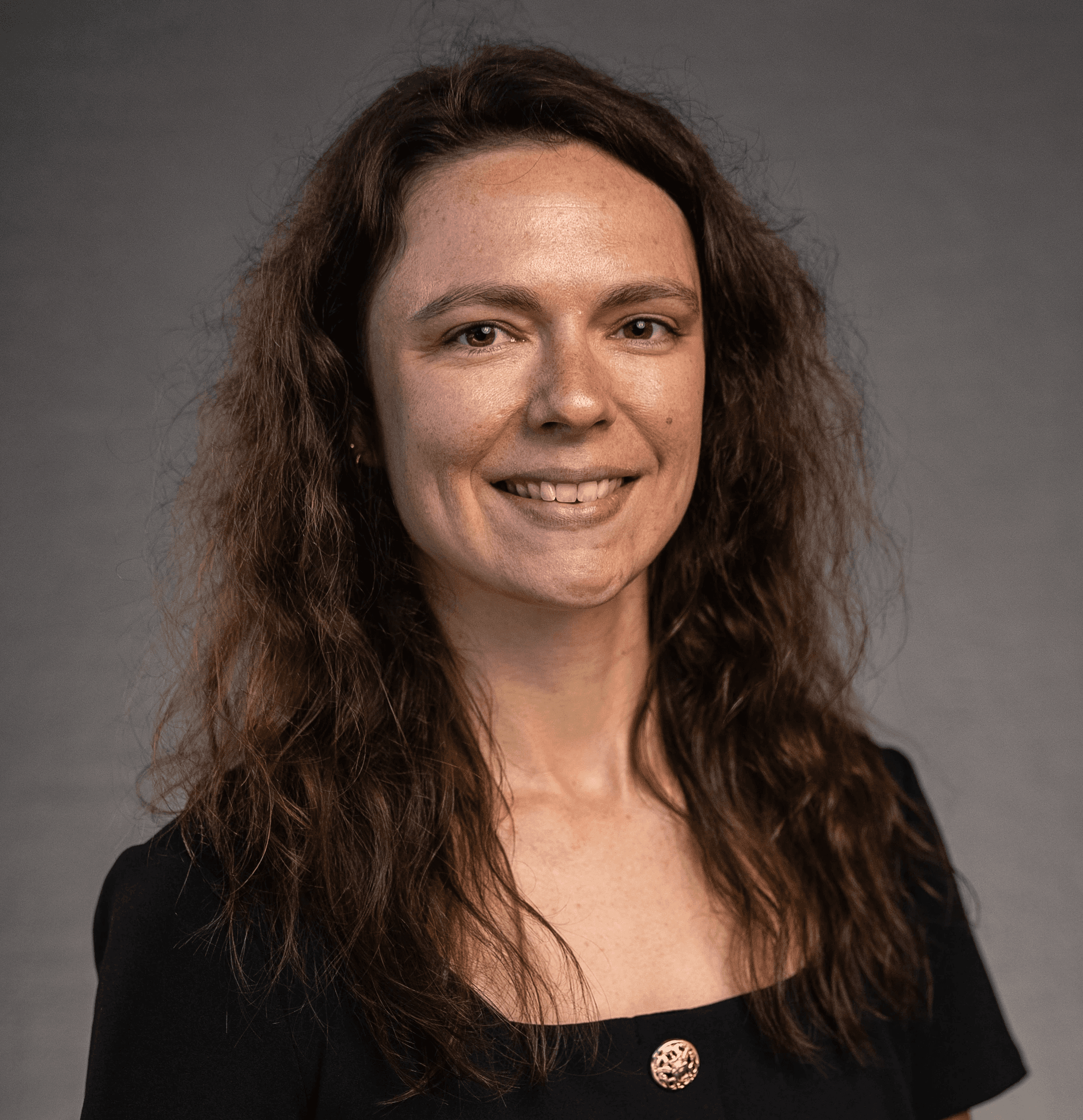
Jaclyn is a data journalist and CFP™ who evaluates trends in the childcare industry and wider economy. She has previously worked for publications including CNET, SmartAsset, Bizfluent, AZCentral and Chron, and as a research consultant for NAPCO Media. Her insights are often cited by publications including Bloomberg, CNBC, Business Insider, Fox News, USA Today, The Hill and more. She has a bachelor’s degree in economics and mathematics from The College of New Jersey.
Share this article
The highest rated child care software
Ratings and review counts from public app store listings, May 2026.
Book a demo and simplify every corner of your business.




Book a demo and simplify every corner of your business.
