

California Child Care Compliance Infractions: Most Common Deficiencies and How to Avoid Them
California Child Care Compliance Infractions: Most Common Deficiencies and How to Avoid Them
California Child Care Compliance Infractions: Most Common Deficiencies and How to Avoid Them

Last updated:
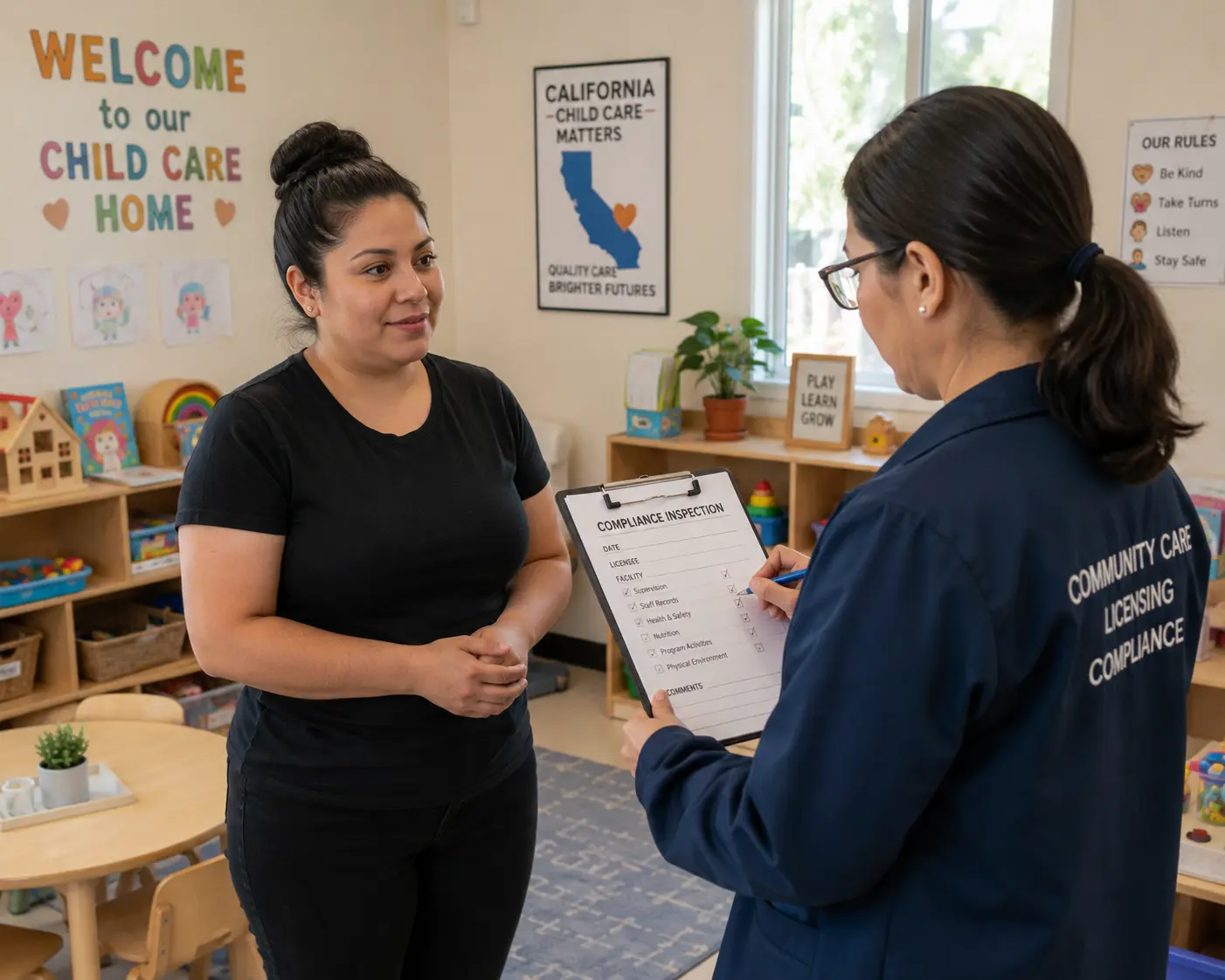
California child care providers are subject to unannounced compliance inspections even after they are licensed, with approximately 21,000 inspections occurring across the state per year. Providers who receive deficiency citations need to correct issues and potentially face other consequences, including public posting of their deficiencies, fees, and more severe occurrences such as license suspension or revocation. With much at stake, California child care providers who are aware of the most commonly cited deficiencies can better prevent oversights and stay prepared for unannounced visits.
The data below from California’s Community Care Licensing Division summarizes the most common citations across infant care, preschool care, and home-based care both in aggregate and as their own categories so that providers can learn from the mistakes of others.
Main areas of infractions
Across all early childhood care types, the following categories captured the majority of the most common deficiencies cited in 2025. More specific breakdowns by care type are available in the tables below.
Paperwork
Of all the top compliance deficiencies across infant care, preschool care, and home care across the state, the paperwork category is the most problematic for California child care providers of all types. For example:
Missing sleep check notes during compliance inspections
Missing or incomplete Needs-and-Care plan
Medical records missing or incomplete for child; personnel
Personnel files missing required information
Personnel records not kept at center or unavailable during inspections
Parents not given required paperwork/disclosures at enrollment (home-based)
Child’s file missing emergency information card
Child’s file missing the signed and dated parent-rights notice
If child care providers in California accounted for these items in a digitized, automated way, it would likely eliminate a whole tranche of the most frequent citations.
Playground offers a one-stop solution for all your paperwork needs and beyond. Book a free demo to learn more.
Supplies
Infractions regarding supplies and equipment requirements are one of the other top issues for California child care providers. Among the top infractions across infant care, preschool, and home-based care across the state include:
Cribs not meeting required safety standards
Unfirm crib mattresses or inadequate sheets
Changing table not meeting requirements
Crib or play yard has loose items in it
California providers can use the Playground Savings Club to purchase required compliant items at steep discounts – keeping children safe, your business compliant, and your budget intact.
Ratios
Ratio infractions also frequently made their way into the most common compliance deficiencies among California child care providers, particularly when it came to staff ratios during infant naps. With a software that provides real-time ratio tracking, teachers can more effectively plan their breaks and handoffs without risking citations and other consequences.
Infant care: Most frequent compliance deficiencies in California
The following table outlines the code and basic description of the most common compliance deficiencies in center-based infant care in California in 2025.
Code | Deficiency summary |
CCR 101216(g)(1) | A staff member did not have a current health screening, including a TB test, done within 1 year before hire or within 7 days after hire. |
CCR 101216(f) | No staff person with current pediatric CPR and pediatric first aid was on site while children were at the center or on a center activity. |
H&S 1596.8662(b)(1) | A provider, administrator, or employee did not complete mandated reporter training, or did not renew it every 2 years. |
CCR 101429(a)(2)(B) | Sleeping infants were not watched by sight and sound at all times, or staff did not physically check them every 15 minutes and write down the check. |
CCR 101429(a)(2)(C) | Sleep-check notes were missing from the infant’s file or were not available for licensing to review. |
H&S 1596.7995(a)(1) | An employee or volunteer was not immunized against influenza, pertussis, and measles, or did not get a flu shot between August 1 and December 1. |
CCR 101419.2(b) | The infant’s needs-and-services plan was missing required written details. |
CCR 101419.2(a) | The center did not complete an infant needs-and-services plan before the child’s first day. |
CCR 101419.3(a) | The written infant needs-and-services plan was not updated at least every 3 months, or sooner when the infant’s needs changed. |
CCR 101439.1(f) | A crib had loose items in it, such as blankets, pillows, or other objects. |
CCR 101439.1(b) | An infant who cannot climb out of a crib was not provided a crib or portable crib that meets CPSC safety standards. |
CCR 101439.1(b)(1) | The crib mattress was not firm, or the fitted sheet was the wrong size, loose, or able to come off. |
CCR 101430(a)(3) | Infants were not given a chance to sleep whenever they needed to, without noise or activity nearby disturbing them. |
CCR 101220(a) | The center did not get a written medical assessment for the child before enrollment or within 30 days after enrollment. |
CCR 101439(h) | An infant changing table did not meet licensing requirements (for example, construction, safety, or sanitation). |
CCR 101439(d)(2) | A baby walker was on the premises, or swings, playpens, or similar equipment were not set up per the manufacturer or were not kept in safe condition. |
Preschool: Most frequent compliance deficiencies in California
The following table outlines the code and basic description of the most common compliance deficiencies in center-based child care facilities caring for preschool-aged children in California in 2025.
Code | Deficiency summary |
H&S 1596.8662(b)(1) | A provider, administrator, or employee did not complete mandated reporter training, or did not renew it every 2 years. |
CCR 101216(g)(1) | A staff member did not have a current health screening, including a TB test, done within 1 year before hire or within 7 days after hire. |
CCR 101216(f) | No staff person with current pediatric CPR and pediatric first aid was on site while children were at the center or on a center activity. |
H&S 1596.7995(a)(1) | An employee or volunteer was not immunized against influenza, pertussis, and measles, or did not get a flu shot between August 1 and December 1. |
CCR 101238(g) | Disinfectants, cleaning solutions, poisons, or other dangerous items were stored where children could reach them. |
CCR 101238(a) | The building was not kept clean, safe, sanitary, or in good repair. |
CCR 101226(e) | Medication handling did not meet licensing rules (for example, storage, labeling, permission, or administration records). |
H&S 1597.16(a)(1) | A center in a building constructed before 2010 did not complete required drinking-water lead testing on schedule (initial test by 2023, then every 5 years). |
CCR 101217(a) | Personnel files were missing required information for the licensee, director, or staff. |
CCR 101217(d) | Personnel records were not kept at the center or were not available for licensing to review. |
CCR 101220(a) | The center did not get a written medical assessment for the child before enrollment or within 30 days after enrollment. |
H&S 1596.871(c)(1)(A) | A person who needs a background check started work, lived at, or was present at the facility before getting a criminal-record clearance or exemption. |
CCR 101238.2(d)(2) | The outdoor play surface had hazards such as holes, broken glass, debris, or dry grass that could be a fire risk. |
CCR 101238.2(e) | The ground under climbing equipment, swings, slides, or similar equipment did not have required fall-absorbing cushioning. |
Home-based care: Most frequent compliance deficiencies in California
The following table outlines the code and basic description of the most common compliance deficiencies in home-based child care facilities in California in 2025.
Code | Deficiency summary |
CCR 102417(g) | The home had a hazard or unsafe condition that could put a child at risk. |
CCR 102425(j) | The provider did not properly supervise infants while they were sleeping. |
CCR 102425(c) | An Individual Infant Sleeping Plan (LIC 9227) was missing for an infant 12 months or younger, or it was not in the infant’s file. |
CCR 102425(b) | A crib or play yard had loose items in it. |
H&S 1596.8662(b)(1) | A provider, administrator, or employee did not complete mandated reporter training, or did not renew it every 2 years. |
H&S 1596.814(a) | A home with an in-ground swimming pool did not meet required pool-safety rules. |
CCR 102416(c) | The licensee or required staff did not complete preventive health training, including pediatric CPR and pediatric first aid. |
H&S 1597.622(a)(1) | An employee or volunteer was not immunized against influenza, pertussis, and measles, or did not get a flu shot between August 1 and December 1. |
H&S 1597.622(c) | The home did not keep immunization or exemption records in the person’s personnel file. |
CCR 102418(g) | The child’s immunization record was missing, incomplete, or not kept for as long as the child was enrolled. |
CCR 102418(a) | A child was admitted without the required immunizations. |
CCR 102419(d) | At enrollment, the parent was not given the required Parent’s Rights, background-check, and consumer-awareness notices. |
CCR 102421(b) | The child’s file was missing the required emergency information card. |
CCR 102421(a) | The child’s file was missing the signed and dated parent-rights notice. |
H&S 1596.871(c)(1)(A) | A person who needs a background check started work, lived at, or was present in the home before getting a criminal-record clearance or exemption. |
How to prevent child care compliance deficiencies in California
Playground, the highest rated all-in-one child care management platform, helps close these gaps by bringing critical functions together in one place. Features designed to lower deficiency risk include:
Real-time ratio and attendance tracking that supports proper supervision indoors and outdoors
Complete digital child and staff profiles that keep enrollment, health, immunization, and employment records current and easy to access
Centralized document storage with quick search so required forms and certifications are ready during an inspection
Customizable, compliant digital templates that reduce missing or outdated paperwork for policies, training, and parent communications
Beyond compliance support, Playground also handles billing, payroll, enrollment, marketing, and other day-to-day operations built specifically for child care programs. To see how it can help your business stay ahead of common deficiencies, book a free demo.
California child care providers are subject to unannounced compliance inspections even after they are licensed, with approximately 21,000 inspections occurring across the state per year. Providers who receive deficiency citations need to correct issues and potentially face other consequences, including public posting of their deficiencies, fees, and more severe occurrences such as license suspension or revocation. With much at stake, California child care providers who are aware of the most commonly cited deficiencies can better prevent oversights and stay prepared for unannounced visits.
The data below from California’s Community Care Licensing Division summarizes the most common citations across infant care, preschool care, and home-based care both in aggregate and as their own categories so that providers can learn from the mistakes of others.
Main areas of infractions
Across all early childhood care types, the following categories captured the majority of the most common deficiencies cited in 2025. More specific breakdowns by care type are available in the tables below.
Paperwork
Of all the top compliance deficiencies across infant care, preschool care, and home care across the state, the paperwork category is the most problematic for California child care providers of all types. For example:
Missing sleep check notes during compliance inspections
Missing or incomplete Needs-and-Care plan
Medical records missing or incomplete for child; personnel
Personnel files missing required information
Personnel records not kept at center or unavailable during inspections
Parents not given required paperwork/disclosures at enrollment (home-based)
Child’s file missing emergency information card
Child’s file missing the signed and dated parent-rights notice
If child care providers in California accounted for these items in a digitized, automated way, it would likely eliminate a whole tranche of the most frequent citations.
Playground offers a one-stop solution for all your paperwork needs and beyond. Book a free demo to learn more.
Supplies
Infractions regarding supplies and equipment requirements are one of the other top issues for California child care providers. Among the top infractions across infant care, preschool, and home-based care across the state include:
Cribs not meeting required safety standards
Unfirm crib mattresses or inadequate sheets
Changing table not meeting requirements
Crib or play yard has loose items in it
California providers can use the Playground Savings Club to purchase required compliant items at steep discounts – keeping children safe, your business compliant, and your budget intact.
Ratios
Ratio infractions also frequently made their way into the most common compliance deficiencies among California child care providers, particularly when it came to staff ratios during infant naps. With a software that provides real-time ratio tracking, teachers can more effectively plan their breaks and handoffs without risking citations and other consequences.
Infant care: Most frequent compliance deficiencies in California
The following table outlines the code and basic description of the most common compliance deficiencies in center-based infant care in California in 2025.
Code | Deficiency summary |
CCR 101216(g)(1) | A staff member did not have a current health screening, including a TB test, done within 1 year before hire or within 7 days after hire. |
CCR 101216(f) | No staff person with current pediatric CPR and pediatric first aid was on site while children were at the center or on a center activity. |
H&S 1596.8662(b)(1) | A provider, administrator, or employee did not complete mandated reporter training, or did not renew it every 2 years. |
CCR 101429(a)(2)(B) | Sleeping infants were not watched by sight and sound at all times, or staff did not physically check them every 15 minutes and write down the check. |
CCR 101429(a)(2)(C) | Sleep-check notes were missing from the infant’s file or were not available for licensing to review. |
H&S 1596.7995(a)(1) | An employee or volunteer was not immunized against influenza, pertussis, and measles, or did not get a flu shot between August 1 and December 1. |
CCR 101419.2(b) | The infant’s needs-and-services plan was missing required written details. |
CCR 101419.2(a) | The center did not complete an infant needs-and-services plan before the child’s first day. |
CCR 101419.3(a) | The written infant needs-and-services plan was not updated at least every 3 months, or sooner when the infant’s needs changed. |
CCR 101439.1(f) | A crib had loose items in it, such as blankets, pillows, or other objects. |
CCR 101439.1(b) | An infant who cannot climb out of a crib was not provided a crib or portable crib that meets CPSC safety standards. |
CCR 101439.1(b)(1) | The crib mattress was not firm, or the fitted sheet was the wrong size, loose, or able to come off. |
CCR 101430(a)(3) | Infants were not given a chance to sleep whenever they needed to, without noise or activity nearby disturbing them. |
CCR 101220(a) | The center did not get a written medical assessment for the child before enrollment or within 30 days after enrollment. |
CCR 101439(h) | An infant changing table did not meet licensing requirements (for example, construction, safety, or sanitation). |
CCR 101439(d)(2) | A baby walker was on the premises, or swings, playpens, or similar equipment were not set up per the manufacturer or were not kept in safe condition. |
Preschool: Most frequent compliance deficiencies in California
The following table outlines the code and basic description of the most common compliance deficiencies in center-based child care facilities caring for preschool-aged children in California in 2025.
Code | Deficiency summary |
H&S 1596.8662(b)(1) | A provider, administrator, or employee did not complete mandated reporter training, or did not renew it every 2 years. |
CCR 101216(g)(1) | A staff member did not have a current health screening, including a TB test, done within 1 year before hire or within 7 days after hire. |
CCR 101216(f) | No staff person with current pediatric CPR and pediatric first aid was on site while children were at the center or on a center activity. |
H&S 1596.7995(a)(1) | An employee or volunteer was not immunized against influenza, pertussis, and measles, or did not get a flu shot between August 1 and December 1. |
CCR 101238(g) | Disinfectants, cleaning solutions, poisons, or other dangerous items were stored where children could reach them. |
CCR 101238(a) | The building was not kept clean, safe, sanitary, or in good repair. |
CCR 101226(e) | Medication handling did not meet licensing rules (for example, storage, labeling, permission, or administration records). |
H&S 1597.16(a)(1) | A center in a building constructed before 2010 did not complete required drinking-water lead testing on schedule (initial test by 2023, then every 5 years). |
CCR 101217(a) | Personnel files were missing required information for the licensee, director, or staff. |
CCR 101217(d) | Personnel records were not kept at the center or were not available for licensing to review. |
CCR 101220(a) | The center did not get a written medical assessment for the child before enrollment or within 30 days after enrollment. |
H&S 1596.871(c)(1)(A) | A person who needs a background check started work, lived at, or was present at the facility before getting a criminal-record clearance or exemption. |
CCR 101238.2(d)(2) | The outdoor play surface had hazards such as holes, broken glass, debris, or dry grass that could be a fire risk. |
CCR 101238.2(e) | The ground under climbing equipment, swings, slides, or similar equipment did not have required fall-absorbing cushioning. |
Home-based care: Most frequent compliance deficiencies in California
The following table outlines the code and basic description of the most common compliance deficiencies in home-based child care facilities in California in 2025.
Code | Deficiency summary |
CCR 102417(g) | The home had a hazard or unsafe condition that could put a child at risk. |
CCR 102425(j) | The provider did not properly supervise infants while they were sleeping. |
CCR 102425(c) | An Individual Infant Sleeping Plan (LIC 9227) was missing for an infant 12 months or younger, or it was not in the infant’s file. |
CCR 102425(b) | A crib or play yard had loose items in it. |
H&S 1596.8662(b)(1) | A provider, administrator, or employee did not complete mandated reporter training, or did not renew it every 2 years. |
H&S 1596.814(a) | A home with an in-ground swimming pool did not meet required pool-safety rules. |
CCR 102416(c) | The licensee or required staff did not complete preventive health training, including pediatric CPR and pediatric first aid. |
H&S 1597.622(a)(1) | An employee or volunteer was not immunized against influenza, pertussis, and measles, or did not get a flu shot between August 1 and December 1. |
H&S 1597.622(c) | The home did not keep immunization or exemption records in the person’s personnel file. |
CCR 102418(g) | The child’s immunization record was missing, incomplete, or not kept for as long as the child was enrolled. |
CCR 102418(a) | A child was admitted without the required immunizations. |
CCR 102419(d) | At enrollment, the parent was not given the required Parent’s Rights, background-check, and consumer-awareness notices. |
CCR 102421(b) | The child’s file was missing the required emergency information card. |
CCR 102421(a) | The child’s file was missing the signed and dated parent-rights notice. |
H&S 1596.871(c)(1)(A) | A person who needs a background check started work, lived at, or was present in the home before getting a criminal-record clearance or exemption. |
How to prevent child care compliance deficiencies in California
Playground, the highest rated all-in-one child care management platform, helps close these gaps by bringing critical functions together in one place. Features designed to lower deficiency risk include:
Real-time ratio and attendance tracking that supports proper supervision indoors and outdoors
Complete digital child and staff profiles that keep enrollment, health, immunization, and employment records current and easy to access
Centralized document storage with quick search so required forms and certifications are ready during an inspection
Customizable, compliant digital templates that reduce missing or outdated paperwork for policies, training, and parent communications
Beyond compliance support, Playground also handles billing, payroll, enrollment, marketing, and other day-to-day operations built specifically for child care programs. To see how it can help your business stay ahead of common deficiencies, book a free demo.
Jaclyn is a data journalist and CFP™ who evaluates trends in the childcare industry and wider economy. She has previously worked for publications including CNET, SmartAsset, Bizfluent, AZCentral and Chron, and as a research consultant for NAPCO Media. Her insights are often cited by publications including Bloomberg, CNBC, Business Insider, Fox News, USA Today, The Hill and more. She has a bachelor’s degree in economics and mathematics from The College of New Jersey.
Share this article
The highest rated child care software
Ratings and review counts from public app store listings, May 2026.

Book a demo and simplify every corner of your business.



Book a demo and simplify every corner of your business.
