

Child Care Policy in 2025—What's Changing and Why It Matters
Child Care Policy in 2025—What's Changing and Why It Matters
Child Care Policy in 2025—What's Changing and Why It Matters

Last updated:
There’s a lot happening in the world of child care policy this year. Whether you’re running a center or supporting families in your community, staying ahead of these updates is key. From federal bills aimed at funding and staffing to state-specific changes, here’s what you need to know—and how you can get involved.
What’s Happening at the Federal Level?
Child Care Workforce and Facilities Act
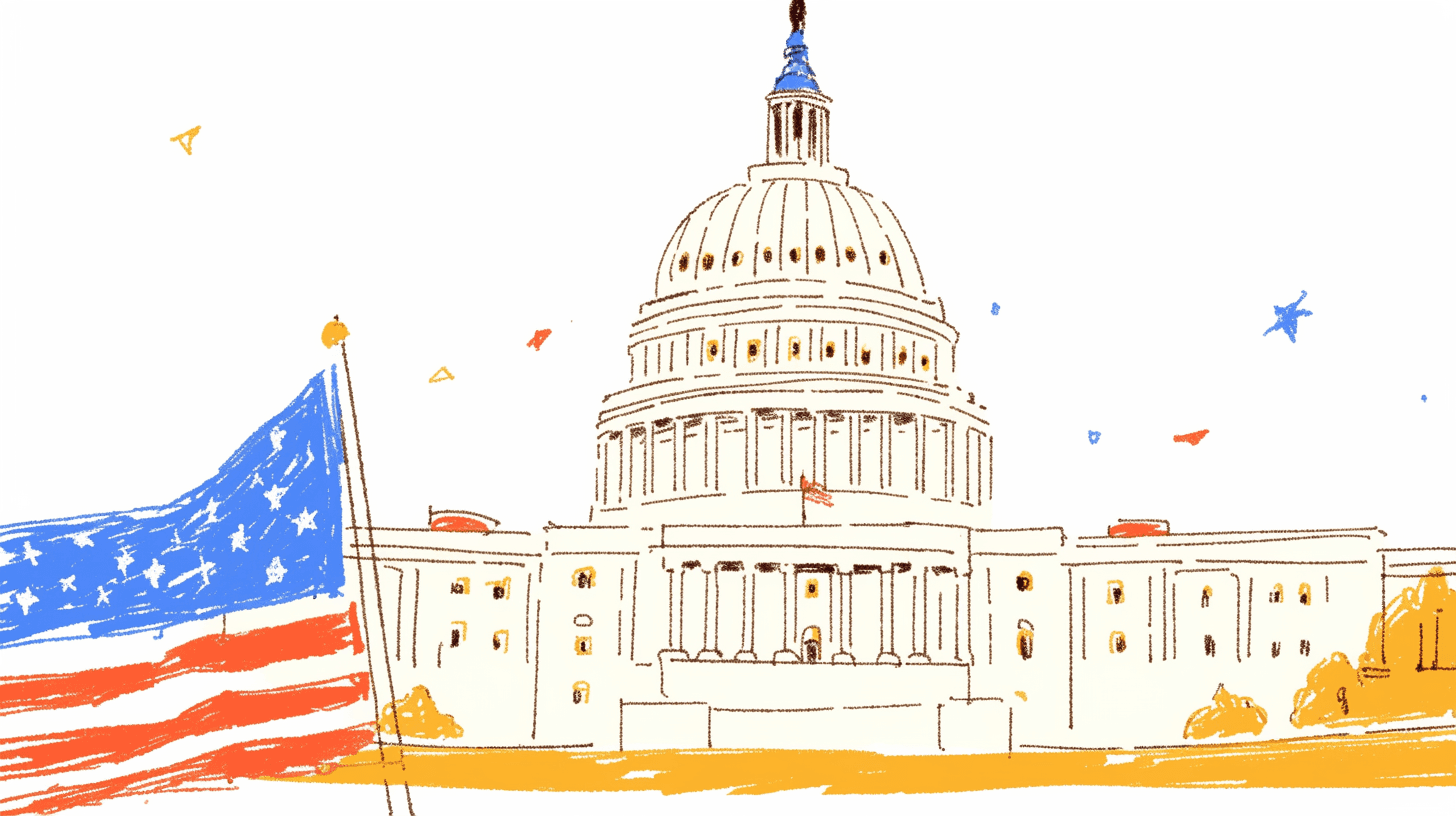
This bipartisan bill, introduced by Senators Amy Klobuchar and Dan Sullivan, is designed to help fix two major challenges: staffing shortages and lack of space. If passed, it would provide grants to states that could be used for training child care workers or building and updating facilities. It’s a step toward solving real problems on the ground—but only if it’s supported and implemented well. That’s where advocacy comes in.
Child Care Affordability and Availability Act
Senators Katie Britt and Tim Kaine introduced this bill to make child care more affordable and accessible across the country. It’s still early days, but the more support this bill gets from providers and families, the better its chances. Reaching out to your representatives really can make a difference here.
New CACFP Nutrition Rules
Starting October 1, there will be new guidelines under the Child and Adult Care Food Program (CACFP). Products served can’t exceed specific limits on added sugar. That means menu changes for some providers and possible reformulations from food manufacturers. There’s also more flexibility now with crediting nuts and seeds as protein sources, which could help with planning more diverse meals.
What’s Happening in the States?
Idaho
Lawmakers in Idaho considered removing required child-to-staff ratios altogether, letting centers decide for themselves. Thanks to strong advocacy from the early childhood community, the state decided to keep the ratios, just slightly relaxed. It’s a great example of how local voices can shape outcomes.
New York
Governor Kathy Hochul has proposed a $110 million fund to build and improve child care facilities in areas that need it most. If approved, this funding could go a long way toward solving the supply issues in so-called “child care deserts.”
Massachusetts
The state recently approved a 10% bump in reimbursement rates for providers that accept state subsidies. This is good news for programs in metro and northeast areas, where costs tend to run higher.These are just a handful of changes at the state level—wherever you’re located, be sure to check with local representatives on changes that might impact you most.
Why Advocacy Matters
Policy changes don’t just happen in Washington. State and Local Governments have a huge impact on child care, too. Whether it’s fighting for fair funding, pushing back on harmful regulations, or supporting universal pre-K in a way that includes community-based providers, your voice matters. The more you show up—in conversations with lawmakers, in coalitions, or even just by writing a letter—the more influence you have.
Final Thoughts
This year is shaping up to be a big one for early childhood policy. Some of these changes could bring real relief. Others will need strong advocacy to make sure they work in practice, not just on paper. If you want to track bills or contact your representatives, start with congress.gov or senate.gov. They make it easy to stay informed and take action.
We’ll keep covering the most important updates here, so you always know what’s coming—and what you can do about it.
There’s a lot happening in the world of child care policy this year. Whether you’re running a center or supporting families in your community, staying ahead of these updates is key. From federal bills aimed at funding and staffing to state-specific changes, here’s what you need to know—and how you can get involved.
What’s Happening at the Federal Level?
Child Care Workforce and Facilities Act
This bipartisan bill, introduced by Senators Amy Klobuchar and Dan Sullivan, is designed to help fix two major challenges: staffing shortages and lack of space. If passed, it would provide grants to states that could be used for training child care workers or building and updating facilities. It’s a step toward solving real problems on the ground—but only if it’s supported and implemented well. That’s where advocacy comes in.
Child Care Affordability and Availability Act
Senators Katie Britt and Tim Kaine introduced this bill to make child care more affordable and accessible across the country. It’s still early days, but the more support this bill gets from providers and families, the better its chances. Reaching out to your representatives really can make a difference here.
New CACFP Nutrition Rules
Starting October 1, there will be new guidelines under the Child and Adult Care Food Program (CACFP). Products served can’t exceed specific limits on added sugar. That means menu changes for some providers and possible reformulations from food manufacturers. There’s also more flexibility now with crediting nuts and seeds as protein sources, which could help with planning more diverse meals.
What’s Happening in the States?
Idaho
Lawmakers in Idaho considered removing required child-to-staff ratios altogether, letting centers decide for themselves. Thanks to strong advocacy from the early childhood community, the state decided to keep the ratios, just slightly relaxed. It’s a great example of how local voices can shape outcomes.
New York
Governor Kathy Hochul has proposed a $110 million fund to build and improve child care facilities in areas that need it most. If approved, this funding could go a long way toward solving the supply issues in so-called “child care deserts.”
Massachusetts
The state recently approved a 10% bump in reimbursement rates for providers that accept state subsidies. This is good news for programs in metro and northeast areas, where costs tend to run higher.These are just a handful of changes at the state level—wherever you’re located, be sure to check with local representatives on changes that might impact you most.
Why Advocacy Matters
Policy changes don’t just happen in Washington. State and Local Governments have a huge impact on child care, too. Whether it’s fighting for fair funding, pushing back on harmful regulations, or supporting universal pre-K in a way that includes community-based providers, your voice matters. The more you show up—in conversations with lawmakers, in coalitions, or even just by writing a letter—the more influence you have.
Final Thoughts
This year is shaping up to be a big one for early childhood policy. Some of these changes could bring real relief. Others will need strong advocacy to make sure they work in practice, not just on paper. If you want to track bills or contact your representatives, start with congress.gov or senate.gov. They make it easy to stay informed and take action.
We’ll keep covering the most important updates here, so you always know what’s coming—and what you can do about it.
Daniel is passionate about helping child care providers grow through clear, practical education. He is dedicated to creating helpful resources that make complex topics like enrollment, billing, operations, and child care management software easier to understand—so center leaders can make smarter decisions and build stronger businesses.
Share this article
The highest rated child care software
Ratings and review counts from public app store listings, May 2026.




Book a demo and simplify every corner of your business.




Book a demo and simplify every corner of your business.
